
Your first gluten free mornings can feel confusing. Labels, toasters, oats and bacon all seem suspicious. I’ve been there, and breakfast doesn’t have to be stressful.
Below you’ll find a friendly 12-point breakfast checklist for new celiacs and an easy, cozy egg-and-potato skillet you can make without fuss. Keep this page handy and you’ll eat with confidence.
Why this skillet works for new celiacs + the 12 breakfast checks
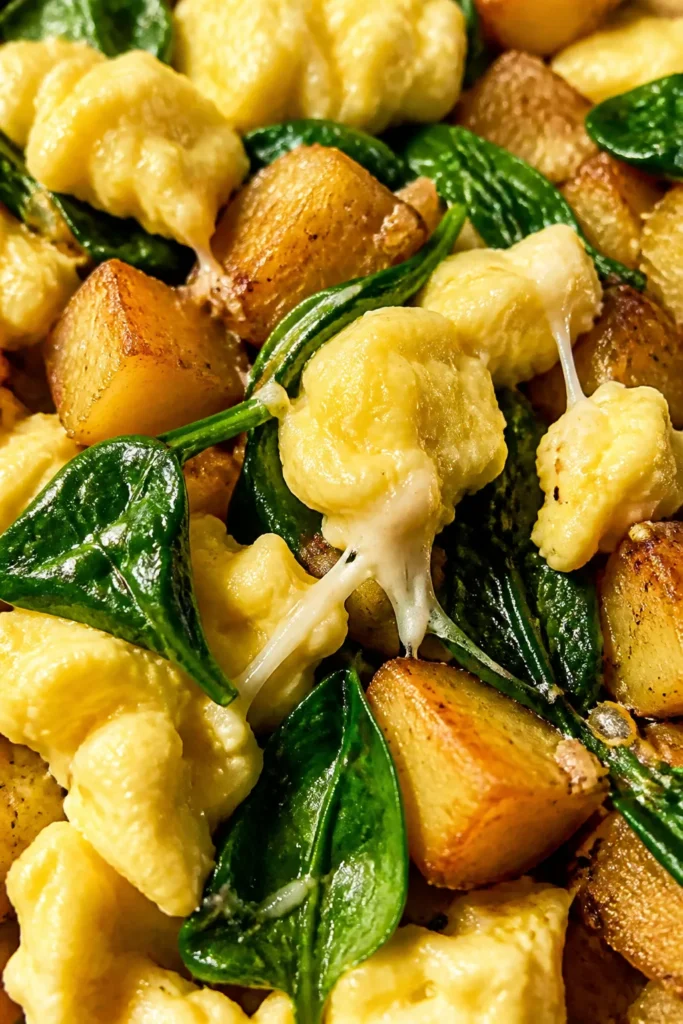
This simple egg-and-potato skillet sticks to whole foods you recognize: potatoes, eggs, veggies and cheese. It avoids high-risk items like unverified bread, bulk-bin oats and shared fryers. You’ll cook it in one pan, and it reheats well for busy mornings.
Before any gluten free breakfast, run through this quick checklist. It becomes second nature fast, and it prevents the tiny slip-ups that trigger symptoms.
- Certified gluten free label: When buying oats, granola, cereal and breakfast bars, look for a clear gluten free certification or a manufacturer gluten free claim.
- Hidden grains: Scan for wheat, barley, rye, malt, brewer’s yeast and wheat starch. These often hide in cereals, sausages and energy bars.
- Oats specifics: Choose oats labeled gluten free. Regular oats are frequently cross-contacted during farming and processing. Read more in Gluten Free Breakfast Oats: What Celiacs Need to Know First.
- Shared toasters and waffle irons: Crumbs linger. Use a dedicated gluten free toaster or toast in a clean skillet or oven.
- Shared fryers: Hash browns or breakfast potatoes are not safe if fried in oil used for breaded foods. Ask before ordering.
- Cured meats and sausages: Some contain wheat-based fillers or flavorings. Check the ingredient list and brand statements.
- Granola and mix-ins: Many contain barley malt or unverified oats. Pick certified granola or make your own.
- Spices and seasoning blends: Single-ingredient spices are usually safe, but blends can include wheat as an anti-caking agent. Verify the brand.
- Sauces and syrups: Malt flavoring shows up in some syrups and chocolate sauces. Soy sauce is not gluten free unless labeled.
- Buffets and office kitchens: Utensils travel between dishes. Take first from a fresh platter, use clean utensils or bring your own breakfast.
- Cutting boards and crumbs: Use a clean board, knife and a dedicated gluten free sponge. Wipe counters first.
- Bulk bins and bakery cases: Scoops and air circulate flour. Skip bulk-bin oats, nuts and granola unless they’re sealed and labeled gluten free.
If you need fast, pre-workout options, see the ideas in gluten free breakfasts for athletes before training. For mornings that start at 6am, these grab-and-go gluten free breakfasts are reader favorites. If cross-contact is your biggest worry, this guide to common gluten free breakfast cross-contamination mistakes will help.
Ingredients for a Safe, Satisfying Breakfast Skillet
Keep it simple with fresh produce, eggs and cheese you trust. Check labels on cheese, sausage and hot sauce, and use dedicated gluten free tools.
- 2 tbsp olive oil
- 1 lb Yukon Gold potatoes, scrubbed and cut into 1/2-inch cubes
- 1 red bell pepper, diced
- 1/2 cup yellow onion, finely chopped
- 8 large eggs, whisked with a pinch of salt
- 2 tbsp milk, optional, for softer eggs
- 3 cups fresh baby spinach, roughly chopped
- 3 oz sharp cheddar cheese, shredded; verify gluten free
- kosher salt, to taste
- black pepper, to taste
- 2 scallions, thinly sliced, for topping
- gluten free hot sauce, to taste, optional
How to make the skillet
Follow these clear steps and lean on visual cues so you’re never guessing.
- Heat 2 tbsp olive oil in a large nonstick or well-seasoned skillet over medium heat for 1 minute until shimmering.
- Add the diced potatoes and a big pinch of salt. Cook, stirring every 2 to 3 minutes, until golden on most sides and tender in the center, 12 to 15 minutes. Adjust heat if browning too fast.
- Stir in the onion and red bell pepper. Cook until the onion is translucent and the pepper softens, 3 to 4 minutes.
- Reduce heat to medium-low. Push the vegetables to one side of the pan to create space for the eggs.
- Whisk the eggs with 2 tbsp milk if using, a pinch of salt and black pepper. Pour the eggs into the empty side of the skillet.
- Let the eggs sit for 10 to 15 seconds, then gently push and fold with a spatula until soft curds form and the eggs are just set, 2 to 3 minutes. Avoid overcooking; remove from direct heat if needed.
- Fold the eggs into the potatoes and peppers. Add the spinach and cook, stirring, until just wilted, 30 to 60 seconds.
- Sprinkle the shredded cheddar over the skillet. Turn off the heat, cover and let the cheese melt from residual heat, 1 minute.
- Taste and season with additional salt and pepper. Top with sliced scallions and a few shakes of gluten free hot sauce if you like.
- Serve hot. For a crisp edge on leftovers, reheat in a lightly oiled skillet over medium heat for 3 to 5 minutes, stirring once.

Storage, make-ahead and reheating
The skillet holds up well for a few days, which is perfect when you’re still learning labels and need low-stress breakfasts ready to go. Cool leftovers, then store in an airtight container for up to 4 days. Reheat in a covered skillet over medium-low heat for 3 to 5 minutes until hot, or microwave in 30-second bursts, stirring once.
To meal prep, cook the potatoes and peppers the night before and keep the whisked eggs in a sealed jar. In the morning, combine and cook for a fresh finish. If you love prepping several options at once, try this 5-day gluten free breakfast meal prep for more ways to stock the fridge.
Common mistakes to avoid
- Using a shared toaster: Crumbs make it unsafe. Toast in a clean skillet or a separate gluten free toaster.
- Buying unlabeled oats: Regular oats can be cross-contacted. Choose oats labeled gluten free if you want them at breakfast.
- Trusting restaurant fryers: Ask if the fryer is dedicated. If not, skip fried potatoes and order skillet-cooked sides.
- Skipping the spice label: Seasoning blends may have wheat. Pick certified brands or use single-ingredient spices.
- Reheating on a dirty pan: Wash pans and spatulas or use dedicated gluten free cookware to avoid crumbs from last night’s grilled cheese.
Variations and substitutions
- Swap the potatoes: Use 3 cups of diced sweet potato or frozen hash browns labeled gluten free.
- Add protein: Stir in 6 oz cooked gluten free breakfast sausage or bacon pieces after the potatoes brown.
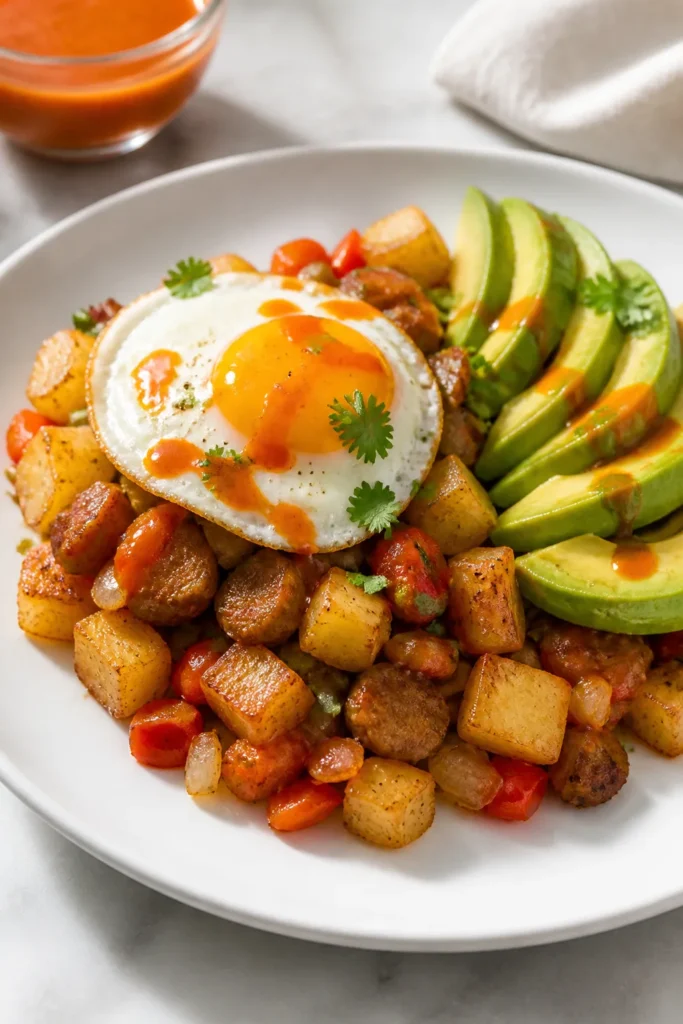
- Dairy-free: Skip the cheese and add 1 extra tablespoon olive oil. Finish with avocado slices.
- Veggie boost: Add mushrooms or zucchini with the peppers, or fold in cherry tomatoes at the end.
- Spice route: Try smoked paprika, chili powder or Italian seasoning. Always confirm your spice blends.
What to serve with it
Serve the skillet with a small bowl of fruit, a side of avocado, or a slice of your favorite certified gluten free toast from a dedicated toaster. For a quick sip, blend a simple smoothie like the ones in gluten free breakfast smoothies. If you prefer a sweet morning, add a spoon of salsa and a few berries to balance the plate.
Celiac breakfast questions you’re asking
Are eggs and potatoes always gluten free?
Yes, plain eggs and plain potatoes are naturally gluten free. The risk comes from seasonings, coatings and shared equipment. Use your own clean pan, verify spice blends and be careful with frozen potato products that may include wheat-based coatings.
What’s the safest cereal or granola for a new celiac?
Pick a brand that is either certified gluten free or clearly labeled gluten free by the manufacturer. Double-check for barley malt, malt extract and unverified oats. When in doubt, choose a simple option like certified gluten free oats or a nut-and-seed mix you make yourself.
How can I eat out at breakfast without getting glutened?
Call ahead and ask about dedicated fryers, toasters and prep areas. Order items cooked on a clean skillet, like eggs, bacon and sautéed potatoes. Skip toast unless the restaurant has certified gluten free bread and a dedicated toasting method, and confirm sausage ingredients.
Is coffee safe for celiacs?
Plain coffee and espresso are gluten free. Flavor syrups and drink powders may contain barley malt or shared-equipment risks. Ask to see the bottle or brand information, and keep your own milk alternatives or syrup packets if you’re unsure.
Do I need separate cookware at home?
Dedicated items for high-crumb tasks help a lot: a toaster, wooden spoons, cutting boards and colanders. Stainless steel and cast iron can be cleaned well. If your home is mixed-diet, label gluten free tools and store them in a separate bin.
You’ve got this
Breakfast gets easier with every safe plate. Keep the 12 checks nearby, cook this simple skillet a couple of times, and soon your mornings will feel calm and predictable. I’m cheering for you, and my kitchen is always testing something new to make gluten free life feel normal and delicious.

Celiac-Safe Breakfast Skillet with Eggs, Potatoes and Spinach
A simple, hearty gluten free breakfast skillet built from whole ingredients you trust: crispy potatoes, soft scrambled eggs, peppers and spinach with a little cheddar.
Ingredients
Instructions
- Heat 2 tbsp olive oil in a large nonstick or well-seasoned skillet over medium heat for 1 minute until shimmering.
- Add the diced potatoes and a big pinch of salt. Cook, stirring every 2 to 3 minutes, until golden on most sides and tender in the center, 12 to 15 minutes. Adjust heat if browning too fast.
- Stir in the onion and red bell pepper. Cook until the onion is translucent and the pepper softens, 3 to 4 minutes.
- Reduce heat to medium-low. Push the vegetables to one side of the pan to create space for the eggs.
- Whisk the eggs with 2 tbsp milk if using, a pinch of salt and black pepper. Pour the eggs into the empty side of the skillet.
- Let the eggs sit for 10 to 15 seconds, then gently push and fold with a spatula until soft curds form and the eggs are just set, 2 to 3 minutes. Avoid overcooking; remove from direct heat if needed.
- Fold the eggs into the potatoes and peppers. Add the spinach and cook, stirring, until just wilted, 30 to 60 seconds.
- Sprinkle the shredded cheddar over the skillet. Turn off the heat, cover and let the cheese melt from residual heat, 1 minute.
- Taste and season with additional salt and pepper. Top with sliced scallions and a few shakes of gluten free hot sauce if you like.
- Serve hot. For a crisp edge on leftovers, reheat in a lightly oiled skillet over medium heat for 3 to 5 minutes, stirring once.
Notes
- Cut potatoes into even 1/2-inch cubes so they cook through without burning.
- If your stove runs hot, start at medium-low and take your time for evenly browned potatoes.
- Dairy-free? Skip the cheese and finish with diced avocado and extra scallions.

Leave a Reply