Author: admin

  • 7 Gluten Free Breakfast Ideas With No Eggs

    7 Gluten Free Breakfast Ideas With No Eggs

    Mornings can feel tricky when you need gluten free breakfasts and you are skipping eggs. The good news is you still have lots of delicious, filling options that come together fast.

    Below you will find seven no-egg ideas that actually keep you full, plus a recipe for a crispy sweet potato hash that makes a cozy weekend breakfast or a meal-prep hero. Everything here is simple, naturally gluten free, and easy to customize for your household.

    Why These 7 No-Egg Breakfasts Work

    Egg-free and gluten free can still be hearty. These ideas lean on fiber, healthy fats, and protein from whole foods like oats, yogurt, beans, chia seeds, and nuts. They keep hunger away well past mid-morning without leaning on specialty products.

    You will also find practical swaps for common allergens and what to check on labels. If you want to go deeper on oats, see what celiacs need to know about gluten free oats. For speedy mornings, these pair nicely with a couple options from 15 gluten free breakfast ideas that take under 10 minutes, and if you love savory handhelds, bookmark gluten free breakfast sandwiches that hold together for later.

    Here are the 7 ideas, followed by a full recipe you can make today:

    • Crispy Sweet Potato Breakfast Hash with peppers, onions, spinach, and black beans. Finish with avocado and salsa. It cooks in one skillet and reheats well.
    • Overnight Oats made with certified gluten free oats, chia seeds, and almond milk. Stir in peanut butter and berries for protein and fiber.
    • Yogurt Parfait Bowls using plain Greek yogurt or a dairy-free yogurt, plus gluten free granola, fruit, and a drizzle of honey or maple. Add hemp hearts for extra protein.
    • Chia Pudding whisked with coconut milk, a touch of maple syrup, and vanilla. Top with mango, pineapple, or toasted coconut flakes.
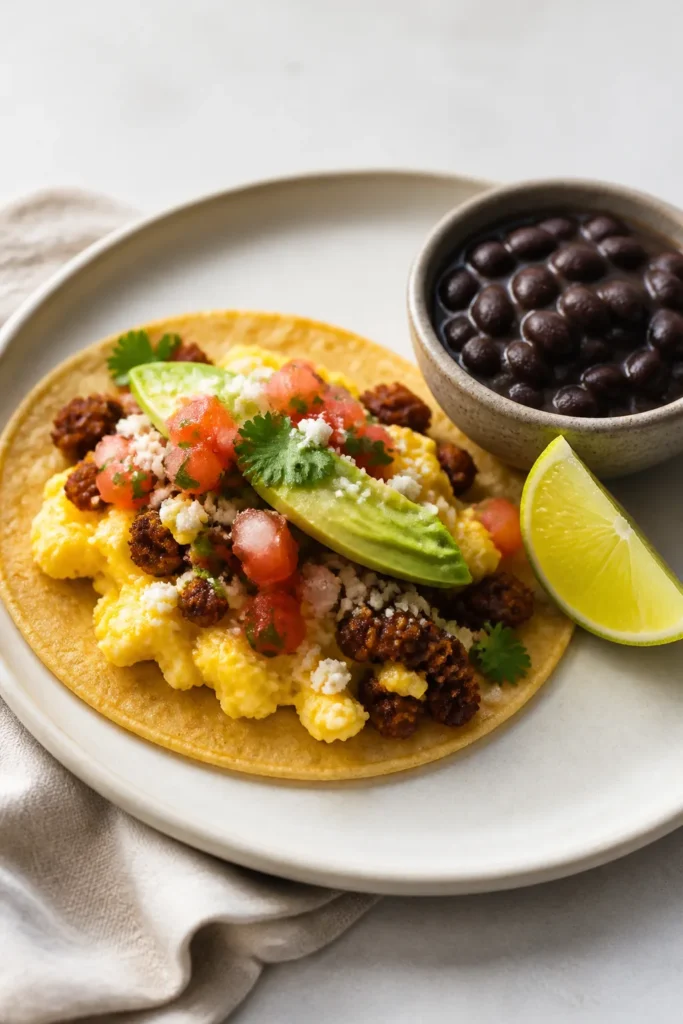
    • Breakfast Tacos, No Eggs on warm corn tortillas filled with refried beans, sautéed peppers, cabbage, and avocado. Spoon on salsa verde and a squeeze of lime.
    • Peanut Butter Banana Toast on sturdy gluten free bread. Sprinkle with cinnamon and chopped walnuts for crunch.
    • Apple Cinnamon Quinoa cooked in almond milk with diced apples, raisins, and a pinch of salt. Finish with a knob of butter or coconut oil.

    Key Ingredients for the Hash

    Sweet potatoes bring natural sweetness and crisp edges, while peppers and onions add savory balance. Black beans and avocado make it hearty and satisfying without any eggs.

    • 2 lbs sweet potatoes, peeled and cut into 1/2-inch cubes
    • 3 tbsp olive oil
    • 1 yellow onion, small, diced
    • 1 red bell pepper, diced
    • 1 tsp smoked paprika
    • 1 tsp garlic powder
    • 1/2 tsp ground cumin
    • 3/4 tsp kosher salt, plus more to taste
    • 1/4 tsp black pepper
    • 1 can black beans, 15 oz, drained and rinsed
    • 3 cups baby spinach, roughly chopped
    • 1 lime, cut into wedges
    • 1 avocado, sliced, for serving
    • salsa or hot sauce, to taste, for serving

    How to Make the Hash

    Follow these simple steps for crispy, tender sweet potato hash every time.

    1. Microwave the cubed sweet potatoes in a covered, microwave-safe bowl with 2 tablespoons water on High for 4 to 5 minutes, until just tender at the edges but still firm in the center. Drain well and pat dry with a towel.
    2. Heat 2 tablespoons olive oil in a large heavy skillet over medium-high heat until shimmering, 1 to 2 minutes.
    3. Add the par-cooked sweet potatoes in an even layer. Cook undisturbed for 3 to 4 minutes until the bottoms are browned and crisp, then toss and continue cooking 4 to 6 minutes, stirring every minute, until tender with crispy spots.
    4. Push the potatoes to one side, add the remaining 1 tablespoon oil, then add the onion and bell pepper. Cook, stirring, for 3 to 4 minutes until softened.
    5. Sprinkle in smoked paprika, garlic powder, cumin, salt, and black pepper. Stir to coat everything and cook 30 seconds until fragrant.
    6. Fold in the black beans and cook 1 to 2 minutes until warmed through.
    7. Add the chopped spinach and cook 30 to 60 seconds until wilted. Squeeze a lime wedge over the skillet and taste, adding more salt if needed.
    8. Serve hot, topped with avocado slices and spoonfuls of salsa or hot sauce. Add extra lime wedges at the table.
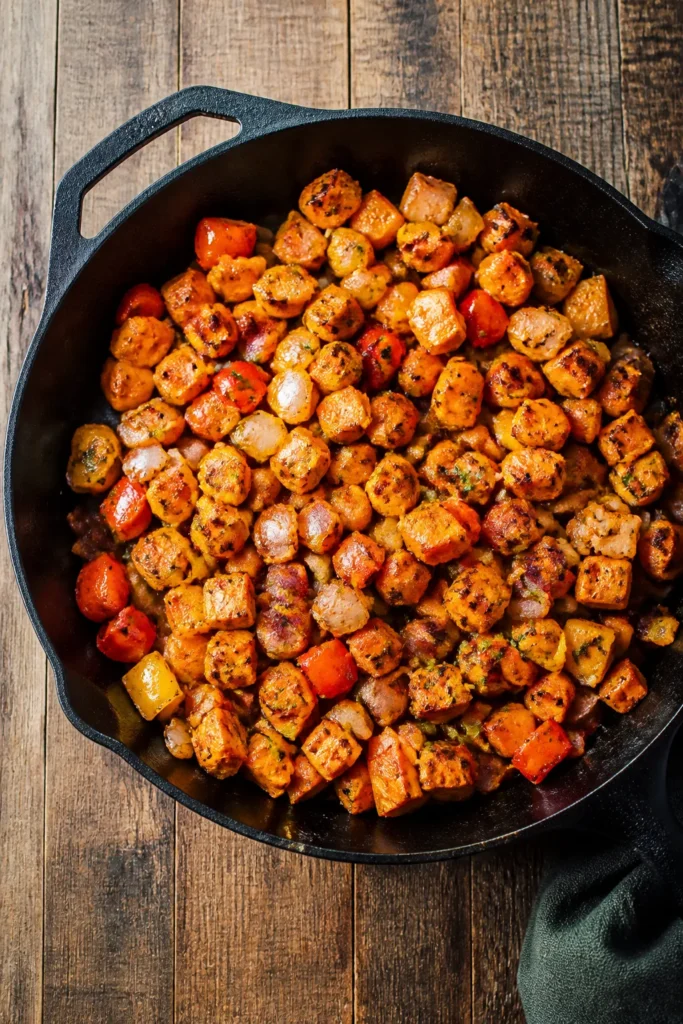
    Overhead view of sweet potato hash in a skillet

    Storage, Make-Ahead, and Reheating

    Let the cooked hash cool, then store it in an airtight container for up to 4 days in the fridge. It also freezes well for 1 to 2 months; thaw overnight in the fridge before reheating.

    For meal prep, chop the sweet potatoes, onions, and peppers up to 3 days ahead and keep them in separate containers. Reheat leftovers in a hot skillet with a splash of oil for 3 to 5 minutes until sizzling and crisp at the edges, or in the oven at 400°F (200°C) for 8 to 10 minutes on a sheet pan.

    Common Mistakes to Avoid

    • Crowding the pan: Too many veggies steam instead of crisp. Use a large skillet and cook in batches if needed.
    • Skipping the pre-cook: Raw sweet potatoes take a long time. A quick microwave or covered steam jump-starts tenderness.
    • Not salting in layers: Season the potatoes, then taste again after adding beans and greens for balanced flavor.
    • Using the wrong pan: A heavy stainless or cast-iron skillet browns better than a thin nonstick pan.
    • Forgetting label checks: Beans, spices, and tortillas are usually safe but can have cross-contact. Choose brands labeled gluten free.
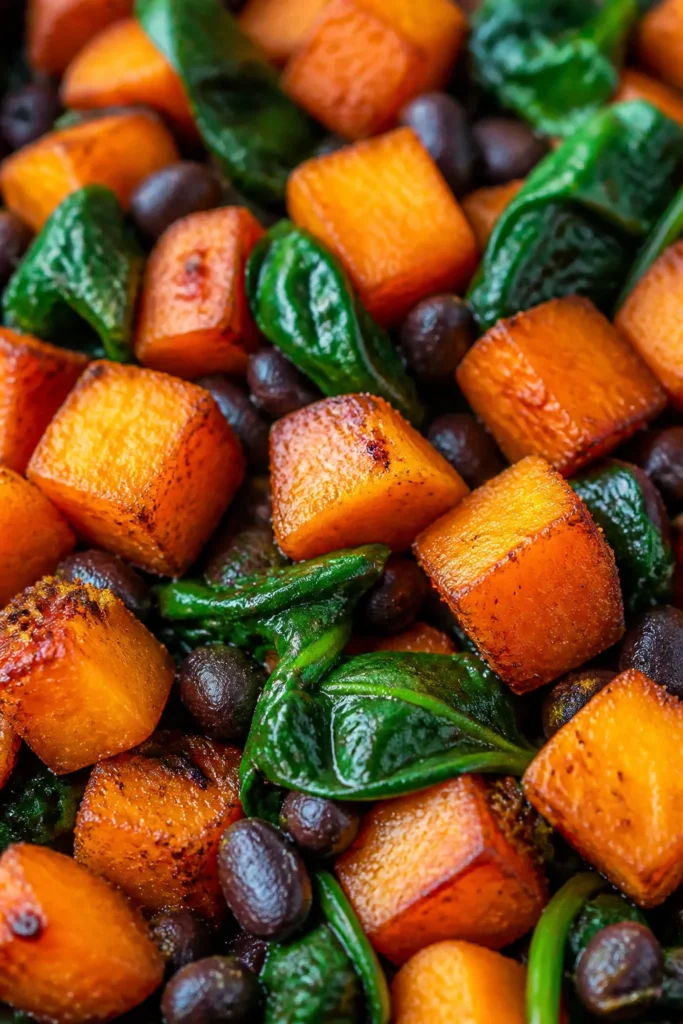
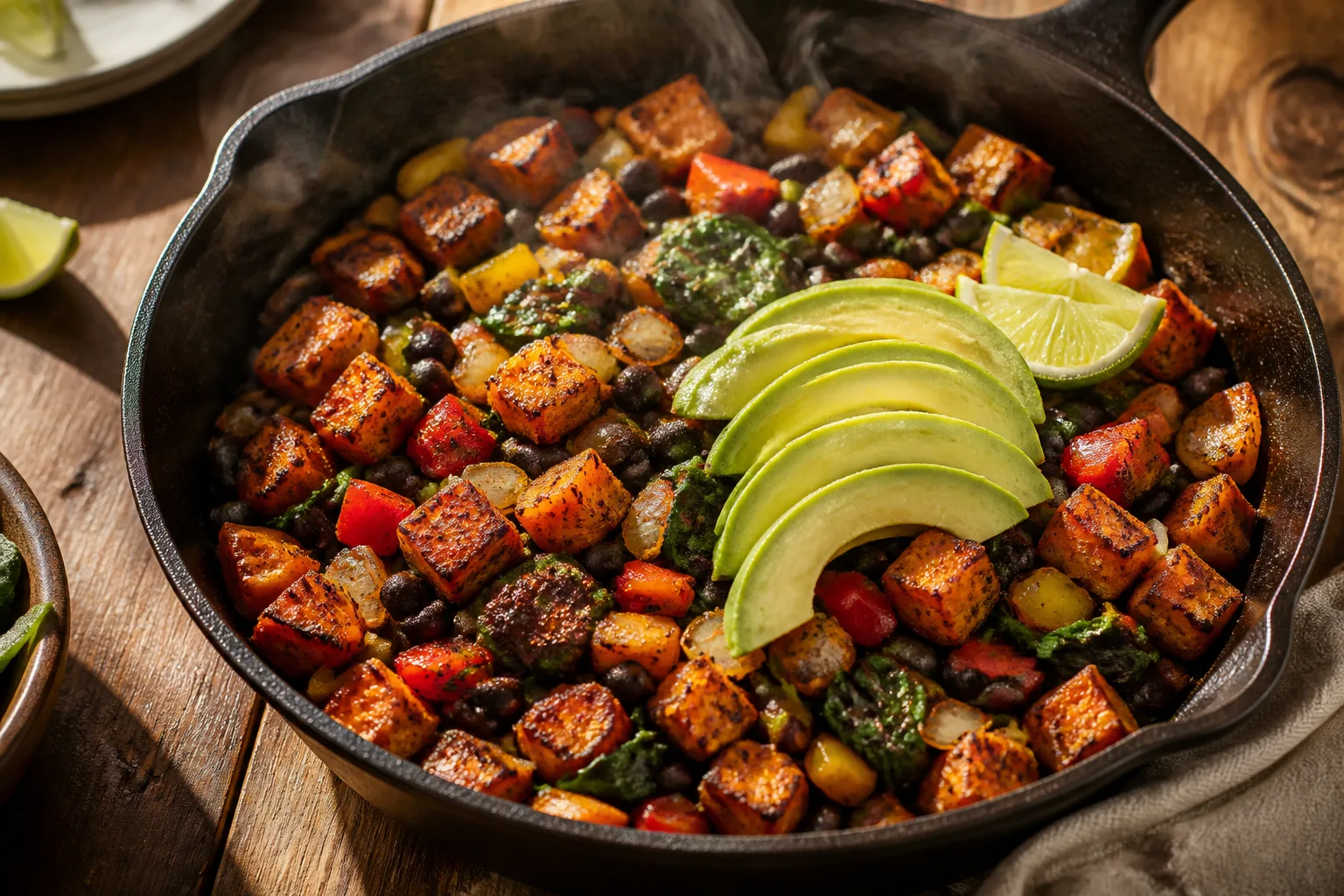
    Close-up of crispy sweet potato hash with beans and spinach

    Variations and Substitutions

    • Swap the beans: Use pinto beans, chickpeas, or lentils for a different texture.
    • Add protein: Crumble in cooked breakfast sausage or turkey sausage labeled gluten free, or top with Greek yogurt for creaminess.
    • Spice it differently: Try chili powder and cumin, or go smoky with chipotle and coriander.
    • Use other veggies: Toss in mushrooms, kale, or diced zucchini in place of or in addition to peppers.
    • Make it sheet-pan: Roast everything at 425°F (220°C) for 25 to 30 minutes, stirring once, then fold in spinach at the end.

    What to Serve With These Breakfasts

    Pair the hash with sliced citrus, a small bowl of berries, or a kefir smoothie for extra protein and probiotics. For a grab-and-go combo, pack the hash into a gluten free tortilla as a warm wrap with salsa.

    If you need even more staying power on busy mornings, check out these high-protein gluten free breakfast ideas for mix-and-match options. For little eaters, a few of these also fit nicely with toddler-friendly gluten free breakfasts.

    Bowl of sweet potato hash topped with avocado and salsa

    Your Questions, Answered

    How do I make sure my oats are truly gluten free?

    Look for products labeled certified gluten free from brands that use purity protocol oats. Cross-contact can happen in the field and during processing, so certification matters. If oats do not work for you, swap with cooked quinoa flakes or chia pudding.

    What are quick protein add-ins without eggs?

    Stir in Greek yogurt or a dairy-free high-protein yogurt, hemp hearts, nut butter, canned beans, or leftover cooked sausage labeled gluten free. A scoop of collagen or pea protein also mixes nicely into oats or smoothies.

    Can I make the sweet potato hash oil-free?

    You can reduce oil by steaming the potatoes until tender, then using a lightly greased nonstick skillet and a splash of broth to prevent sticking. The edges will be less crisp, but the flavors will still be great.

    What gluten free breads hold up best for toast or tacos?

    Choose sturdy loaves with whole grains or psyllium for structure, and toast them well. For tacos, use soft corn tortillas and warm them in a dry skillet until pliable, or double them up so they do not tear.

    How can I make these ideas dairy-free too?

    Use almond, oat, or coconut milk; a coconut or almond-based yogurt; and skip any cheese. Add richness with avocado, olive oil, or nut butter so the meal still feels satisfying.

    A Quick, Cozy Finish

    I hope these gluten free, egg-free ideas make mornings easier and a lot tastier. The sweet potato hash is a great place to start, and the rest give you a weekly rotation that does not feel repetitive.

    If you make the recipe, leave a note with your favorite add-ins. Happy breakfasting!
  • 9 High-Protein Gluten Free Breakfast Ideas to Keep You Full Until Lunch

    9 High-Protein Gluten Free Breakfast Ideas to Keep You Full Until Lunch

    Mornings run smoother when breakfast actually keeps you full. These 9 high-protein, gluten free breakfast ideas are simple, satisfying, and friendly for busy weekdays.

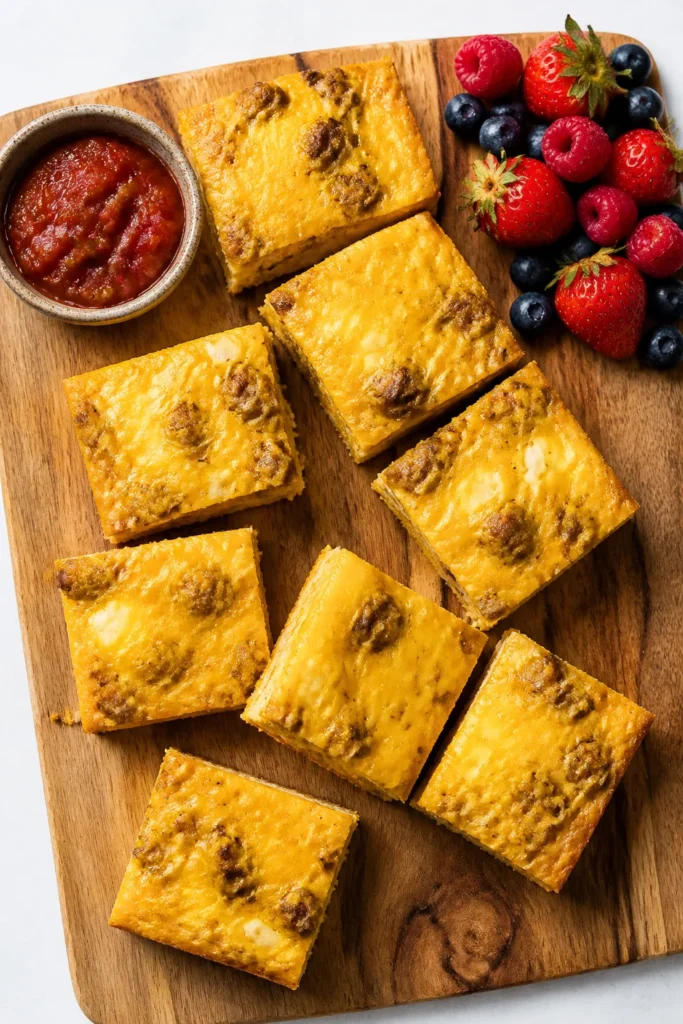
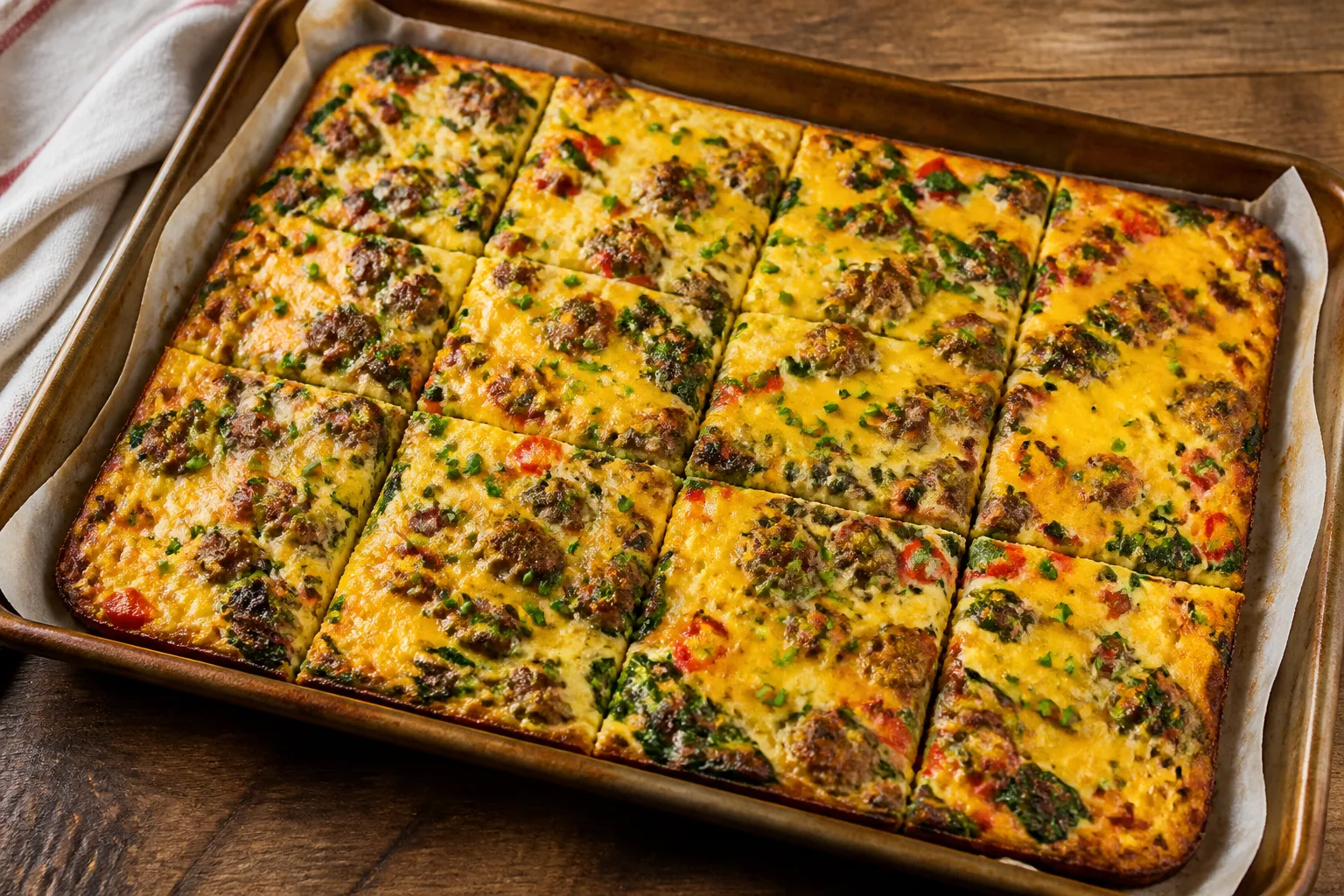
    I also included my go-to Sheet Pan Egg and Sausage Breakfast Squares you can meal prep on Sunday and enjoy all week. Clear steps, easy swaps, and realistic storage notes included.

    Why These 9 Breakfasts Keep You Full

    Protein, fiber, and fat are the trio that hold you through late morning. Each idea below pairs gluten free ingredients with a solid dose of protein and produce. Choose one for today, then meal prep the sheet pan egg bake to cover the rest of the week.

    • Sheet Pan Egg and Sausage Breakfast Squares: Easy to slice and pack. About 22 to 25 grams protein per serving.
    • Greek Yogurt Bowl with Chia and Berries: Use 3/4 to 1 cup 2% or whole milk Greek yogurt, add chia seeds and almonds. About 20 grams protein.
    • Cottage Cheese Fruit Crunch: 1 cup cottage cheese, sliced peaches, gluten free granola. About 24 grams protein.
    • Smoked Salmon Avocado Plate: Salmon over cucumber and tomato, with capers and lemon. Serve with gluten free crackers. About 18 to 22 grams protein.
    • Protein Oats: Use certified gluten free oats, stir in egg whites at the end and top with peanut butter. About 22 grams protein. Read more in what celiacs need to know about gluten free oats.
    • Tofu Scramble with Veggies: Firm tofu crumbled with turmeric, peppers, and spinach. Serve with salsa. About 20 grams protein.
    • Chicken Sausage and Sweet Potato Hash: Pan-seared sausage, diced sweet potato, onion, and kale. About 23 grams protein.
    • Peanut Butter Banana Smoothie: Milk, peanut butter, banana, and a scoop of gluten free protein powder. About 25 grams protein. For quick mornings, see these under-10-minute gluten free breakfasts.
    • Almond Flour Banana Oat Pancakes: Use certified gluten free oats or oat flour. Try these banana oat pancakes for a weekend stack with staying power.

    If you like planning ahead, bake the egg squares below. They hold beautifully and taste great warm or cold.

    Ingredients You’ll Need

    Eggs, lean turkey sausage, cottage cheese, and a colorful mix of vegetables make this a protein-rich sheet pan bake. Everything is naturally gluten free and easy to customize.

    • 1 tbsp olive oil, for greasing pan
    • 12 large eggs
    • 1 cups liquid egg whites
    • 12 oz turkey breakfast sausage, cooked and crumbled
    • 1 cups low-fat cottage cheese, small curd
    • 1 cups shredded cheddar cheese
    • 1 cups diced bell peppers, mixed colors
    • 2 cups baby spinach, chopped
    • 1/2 cups red onion, finely chopped
    • 1 cups cherry tomatoes, halved and patted dry
    • 1/2 tsp garlic powder
    • 1/2 tsp smoked paprika
    • fine sea salt, to taste
    • black pepper, to taste

    How to Make the Breakfast Squares

    Prep the pan, whisk, pour, and bake until just set, then slice and store.

    1. Preheat the oven to 375°F (190°C). Lightly oil an 18×13-inch rimmed sheet pan and line with parchment, then brush the parchment with a little oil.
    2. Cook the turkey sausage in a skillet over medium heat, breaking it up with a spoon, until browned and cooked through, 5 to 7 minutes. Set aside to cool slightly.
    3. In a large bowl, whisk the eggs and egg whites until smooth. Whisk in cottage cheese, garlic powder, smoked paprika, a pinch of salt, and several grinds of pepper.
    4. Stir in the cooked sausage, bell peppers, spinach, red onion, half of the cheddar, and the cherry tomatoes. Fold gently to distribute evenly.
    5. Pour the mixture into the prepared sheet pan and spread the solids evenly so each slice gets a bit of everything. Tap the pan once on the counter to release air bubbles.
    6. Sprinkle the remaining cheddar over the top.
    7. Bake on the middle rack until the edges are puffed, the top is lightly golden, and the center is just set, 18 to 22 minutes. Check at 18 minutes; do not overbake.
    8. Cool in the pan for 10 minutes, then use the parchment to slide the bake onto a cutting board.
    9. Slice into 8 squares. Serve warm, or cool completely for meal prep.
    10. Store in airtight containers in the fridge for up to 4 days or freeze individually wrapped squares for up to 2 months.
    Overhead view of sliced breakfast egg squares with sides

    Smart Storage, Make-Ahead, and Reheating

    Cool the baked squares for 10 minutes, then slice and store in airtight containers for up to 4 days in the fridge. For longer storage, wrap individual pieces and freeze up to 2 months. Thaw overnight in the fridge.

    Reheat in the microwave for 45 to 60 seconds or in a 350°F (175°C) oven for 8 to 10 minutes until warmed through. These also taste great cold packed into a lunchbox. If you travel a lot, these pack well with an ice pack; for more portable ideas, see gluten free hotel and travel breakfasts.

    Common Mistakes to Avoid

    • Overbaking the eggs: Pull the pan when the center is just set and edges are lightly golden. Residual heat finishes the job and keeps the texture tender.
    • Using too much watery veg: Tomatoes and zucchini can water out. Pat them dry or roast briefly first to avoid a soggy bake.
    • Skipping the pan prep: A well-oiled and parchment-lined pan guarantees easy release and clean slices.
    • Heavy-handed salt: Cottage cheese and sausage are already salty. Taste the mixture before adding more salt.
    • Uneven chopping: Keep vegetable pieces small and similar in size for even cooking and clean cuts.
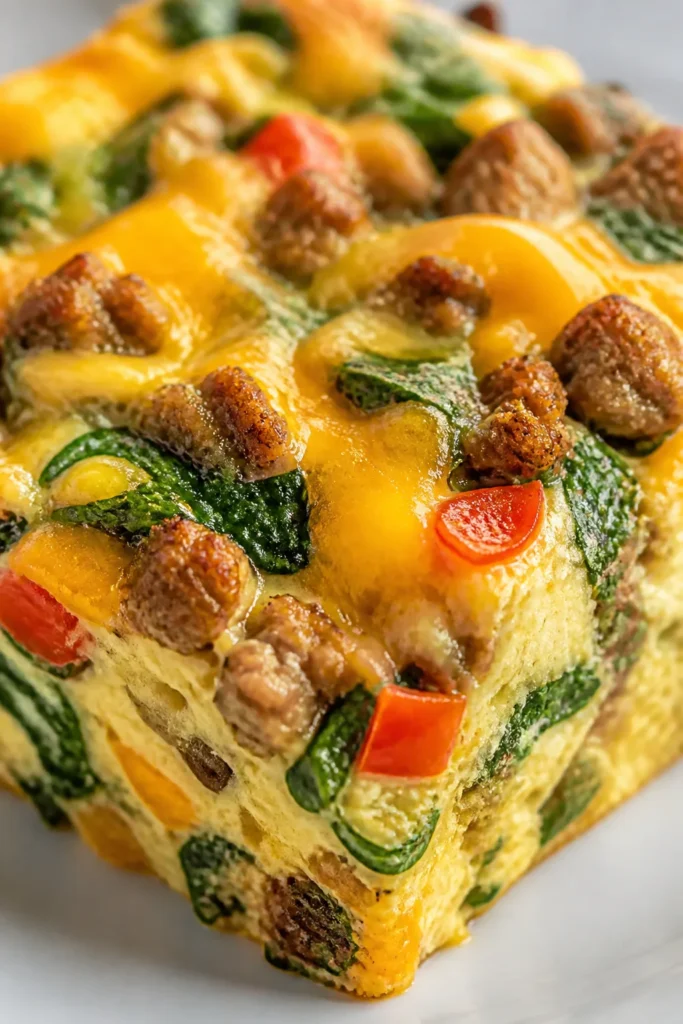
    Close-up of egg square texture with veggies and cheese

    Variations and High-Protein Swaps

    • Swap the meat: Use crumbled chicken sausage, ham, or smoked salmon. Keep portions similar to maintain protein levels.
    • Dairy-free: Replace cottage cheese and cheddar with unsweetened almond milk ricotta and a dairy-free cheddar-style shred.
    • Veggie trio: Try broccoli, mushrooms, and scallions, or use roasted asparagus in spring.
    • Spice profiles: Add Italian seasoning, taco seasoning, or a pinch of red pepper flakes for heat.
    • Extra protein boost: Stir in 1/2 cup shredded cooked chicken breast or fold in more egg whites.
    • Mediterranean: Use feta, olives, spinach, and roasted red peppers. Season with oregano.
    • Southwest: Add black beans, corn, cheddar, and salsa on the side.
    • Caprese: Cherry tomatoes, basil, and mozzarella. Finish with a drizzle of balsamic after baking.
    • Mini muffin version: Divide the mixture into a greased 12-cup muffin tin and bake 16 to 20 minutes.

    What to Serve With These Breakfasts

    Round out the plate with fresh fruit, a handful of grapes, or half an avocado for extra fats and fiber. A small gluten free toast with butter or nut butter works if you want more carbs before a workout.

    For weekend brunch, pair the egg squares with a simple arugula salad dressed in lemon and olive oil. If pancakes are on the menu too, browse these weekend gluten free breakfast ideas and mix and match.

    Single serving egg square with salad and avocado

    Your Questions, Answered

    How do I know the egg bake is done without overcooking?

    Bake until the center looks just set and no longer jiggles when you nudge the pan. A thin knife inserted in the center should come out mostly clean with a few moist bits. Pull it then, and let carryover heat finish it.

    Can I make this without cottage cheese?

    Yes. Replace cottage cheese with 1 cup ricotta or 3/4 cup unsweetened Greek yogurt. The texture stays creamy and you still get a nice protein boost.

    Are oats really gluten free for celiacs?

    Use certified gluten free oats from a producer that prevents cross-contact. Not everyone tolerates oats the same way, so start small and see how you feel. I linked a detailed guide above.

    What’s the best way to freeze and reheat single portions?

    Cool completely, wrap each square tightly, and freeze in a zip-top bag. Thaw overnight in the fridge, then microwave 60 to 90 seconds or bake at 350°F (175°C) for about 10 minutes.

    How can I add even more protein without changing flavor too much?

    Whisk in an extra 1/2 cup egg whites or fold in finely diced cooked chicken breast. You can also top slices with a spoonful of Greek yogurt for a creamy finish.

    A Quick, Warm Send-Off

    I hope these ideas help your mornings feel calmer and more satisfying. Make the sheet pan egg bake once, then enjoy a solid breakfast all week. If you try a new combo, tell me what you loved in the comments.

  • 12 Gluten Free Breakfast Ideas With 5 Ingredients or Fewer

    12 Gluten Free Breakfast Ideas With 5 Ingredients or Fewer

    Mornings go smoother when breakfast is simple. These 12 gluten free breakfast ideas use five ingredients or fewer, rely on basic pantry items, and actually taste good. No specialty flours needed for most of them, just real food you probably have on hand.

    To make this list even easier, I included one base recipe you can bake on Sunday and eat all week: 5-Ingredient Gluten Free Egg Muffins. Use the ideas below to mix and match flavors based on what’s in your fridge.

    Why these gluten free breakfasts work

    Keeping breakfast to five ingredients forces you to focus on real, satisfying foods. Protein, healthy fats, and fiber keep you full without a long ingredient list or a lot of fuss. Most of these ideas can be prepped ahead, and many are naturally gluten free without substitutions. When you need even more inspiration for busy days, check out 15 gluten free breakfasts that take under 10 minutes.

    Here are 12 gluten free breakfast ideas with five ingredients or fewer:

    • 5-Ingredient Egg Muffins (recipe below)
    • Greek yogurt bowl with berries, honey, and chia
    • Avocado toast on gluten free bread with a fried egg
    • Banana peanut butter rice cakes with a drizzle of maple
    • Smoked salmon, cream cheese, and cucumber on gluten free crackers
    • Cottage cheese with pineapple and toasted coconut
    • Microwave omelet with cheddar, spinach, and hot sauce
    • Apple slices with almond butter and a sprinkle of cinnamon
    • Chia pudding with milk and vanilla, topped with raspberries
    • Frozen berry smoothie with yogurt and peanut butter
    • Warm oats made with certified gluten free oats, milk, and banana
    • Hash brown egg skillet with salsa

    If you cook for little ones, my tips in gluten free breakfasts for toddlers will help you build gentler flavors they’ll actually eat. And if oats are new to you, read what celiacs need to know about gluten free oats before you buy.

    Ingredients for 5-Ingredient Egg Muffins

    Simple ingredients you can grab on a weeknight grocery run. Choose fresh eggs and a sharp cheddar for the best flavor.

    • 10 large eggs
    • 1/3 cup milk, dairy or unsweetened non-dairy
    • 1 cup shredded sharp cheddar cheese
    • 1 cup diced red bell pepper, small dice
    • 1 cup chopped baby spinach, loosely packed

    How to make the egg muffins

    Stir, pour, and bake until puffed and set.

    1. Preheat the oven to 350°F (175°C). Grease a 12-cup muffin tin well or line with parchment paper liners.
    2. In a medium bowl, whisk the eggs until smooth and slightly frothy, 30 to 45 seconds.
    3. Whisk in the milk until fully combined.
    4. Stir in the shredded cheddar, diced bell pepper, and chopped spinach until evenly distributed.
    5. Divide the mixture evenly among the 12 muffin cups, filling each about 3/4 full. Stir between pours if the mix-ins settle.
    6. Bake for 16 to 18 minutes, until the centers are just set and the tops look slightly puffed. A toothpick should come out with a few moist crumbs but no liquid egg.
    7. Cool in the pan for 2 minutes, then run a thin knife around the edges and transfer the muffins to a rack to cool completely or serve warm.
    8. Store leftovers in an airtight container once fully cooled.
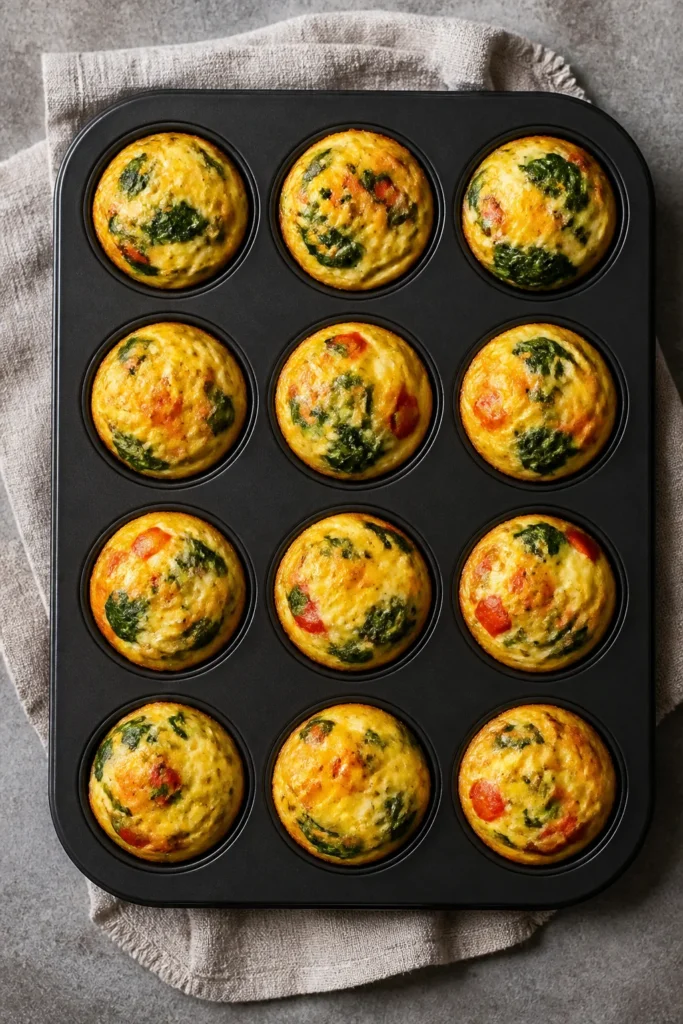
    Overhead view of baked egg muffins cooling in a muffin tin.

    Storage, make-ahead and reheating

    Let the muffins cool completely, then store in an airtight container in the fridge for up to 4 days. For longer storage, wrap each muffin tightly and freeze in a zip-top bag for up to 2 months.

    To reheat from the fridge, microwave 20 to 30 seconds until warm. From frozen, thaw overnight in the fridge or microwave at 50% power in 30-second bursts until heated through. If you prefer the edges a little crisp, reheat on a baking sheet at 325°F (165°C) for 8 to 10 minutes.

    Planning a no-cook week? Batch a few non-bake options from the list above and rotate them. For travel mornings without a kitchen, peek at these gluten free hotel breakfast ideas so you’re not stuck with just fruit.

    Common mistakes to avoid

    • Using non-certified oats: If you include oatmeal, make sure the package says certified gluten free. Regular oats can be cross-contaminated.
    • Skipping fat entirely: Very low-fat breakfasts can leave you hungry fast. Add avocado, nuts, or cheese to keep you satisfied.
    • Overbaking egg muffins: They cook quickly. Pull them when the centers are just set to avoid rubbery texture.
    • Forgetting to grease the pan: Egg muffins stick to dry tins. Grease thoroughly or use parchment liners.
    • Relying on sweeteners for flavor: Use berries, vanilla, cinnamon, or sharp cheese for flavor so you don’t need as much sugar or syrup.
    Close-up of a halved egg muffin showing fluffy, cheesy interior.

    Variations and easy swaps

    • Vegetarian: Use mushrooms, spinach, and feta in the egg muffins instead of meat.
    • Dairy free: Swap cheddar for a dairy free shredded cheese and use a non-dairy milk in the muffins.
    • Spicy: Add a pinch of red pepper flakes or a spoon of salsa on top of your egg muffins.
    • Low carb: Focus on eggs, cottage cheese bowls, smoked salmon stacks, and chia pudding.
    • Kid-friendly: Keep textures soft and flavors simple. Banana rice cakes, yogurt bowls, and mild egg muffins are great starts.
    • Make it heartier: Serve egg muffins in a warmed corn tortilla or alongside breakfast potatoes for extra fuel.

    What to serve with these breakfasts

    Pair savory ideas with a simple side like sliced oranges or grapes for freshness. For the egg muffins, add a small green salad, salsa, or a dollop of guacamole. If you’re doing yogurt or chia pudding, a handful of toasted nuts adds crunch and staying power.

    For a brunch spread, set out a bowl of berries, hot sauce, and a plate of gluten free toast. Keep it casual and let everyone build their own plate.

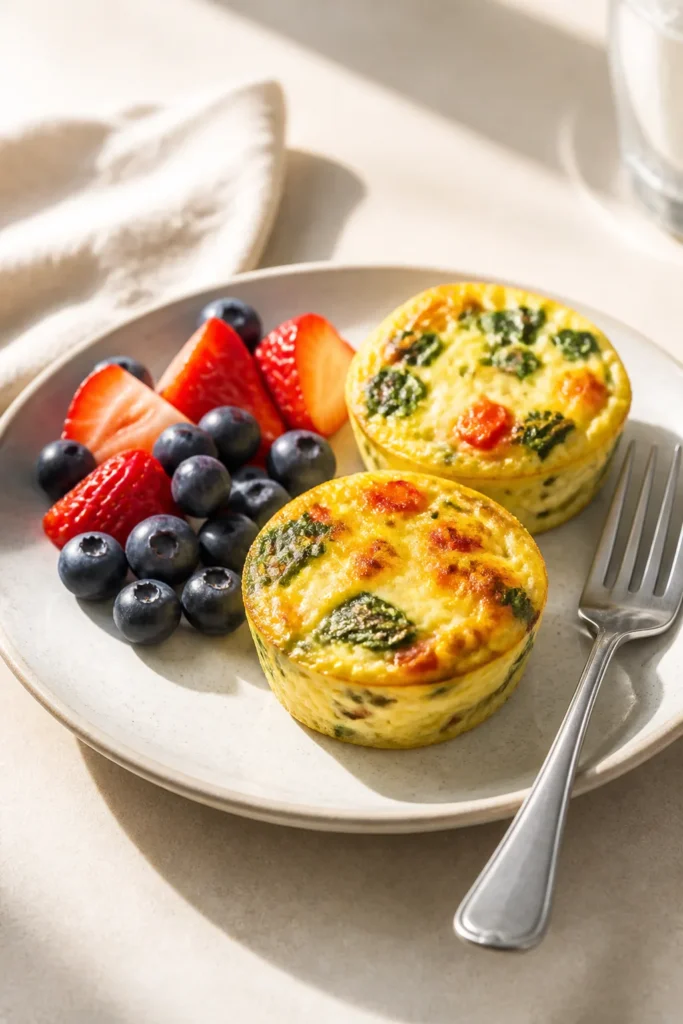
    Two egg muffins on a plate with fresh berries.

    Reader questions

    How do I make sure these breakfasts are truly gluten free?

    Stick to whole foods when you can, and always check labels on packaged items like oats, bread, crackers, and yogurt add-ins. Look for a certified gluten free label and scan the allergen statement for wheat, barley, rye, or malt. If you share a kitchen, use separate toasters and cutting boards to avoid cross-contact.

    Can I meal prep the egg muffins for the whole week?

    Yes. Bake a double batch, cool completely, and refrigerate up to 4 days or freeze up to 2 months. Reheat gently so they don’t dry out. You can also chop the fillings and whisk the egg mixture the night before, then pour and bake in the morning.

    What are the best 5-ingredient combos for the egg muffins?

    Try cheddar + bell pepper + spinach, ham + Swiss + green onion, or feta + tomato + spinach. Keep the base the same and swap the cheese and veggies. Aim for about 1 1/2 cups total mix-ins for 12 muffins.

    I don’t eat dairy. What can I use instead of cheese in the muffins?

    Use a dairy free shredded cheese that melts well, or skip cheese and add diced cooked bacon or extra veggies for flavor. Replace milk with an unsweetened non-dairy milk like almond or oat. Check labels to confirm gluten free status.

    Are the yogurt and oat ideas safe for celiacs?

    Yogurt is usually gluten free, but avoid flavors with cookie or granola mix-ins unless clearly labeled. For oats, choose certified gluten free oats and introduce them slowly if you’re newly diagnosed, since some people are sensitive even to certified oats.

    Final thoughts

    Keep breakfast simple, tasty, and doable. With these 12 gluten free ideas and a batch of easy egg muffins, you can eat well all week without a long grocery list. If one combo gets old, swap in a new fruit, cheese, or green and keep going.

  • Gluten Free Breakfast Sandwiches That Hold Together

    Gluten Free Breakfast Sandwiches That Hold Together

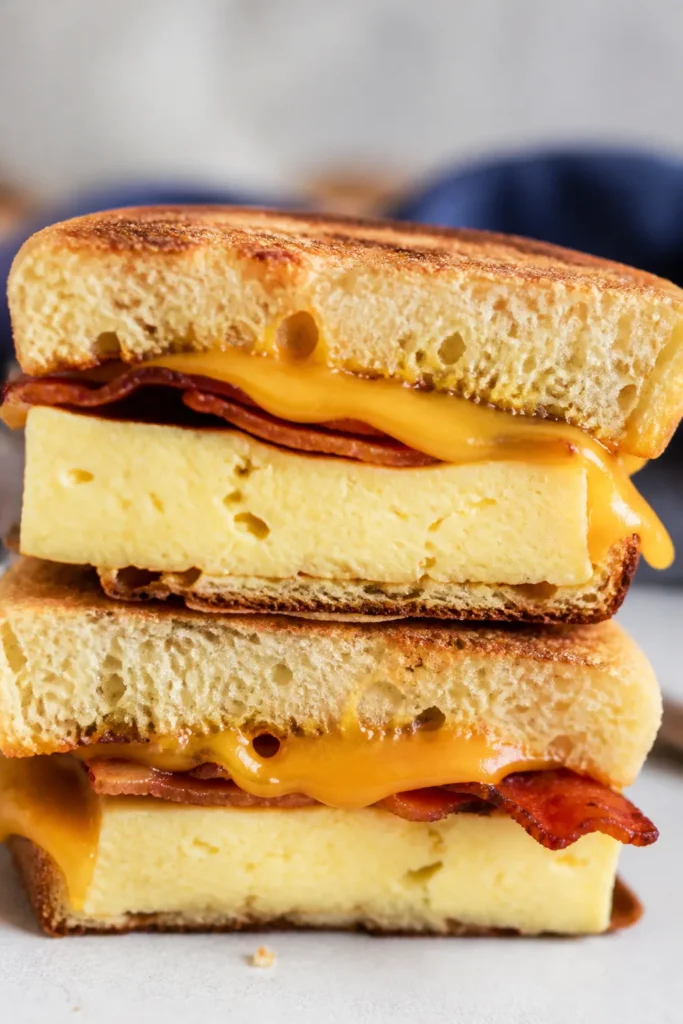
    These gluten free breakfast sandwiches stay together from first bite to last, even on a busy morning. We’re talking crisp, toasty muffins, sturdy baked eggs, and just the right amount of melty cheese to glue everything in place.

    You can make them fresh in 30 minutes or prep a batch for the week. The texture is satisfying, the edges are crunchy, and the fillings don’t slip out.

    Why these gluten free breakfast sandwiches don’t fall apart

    Gluten free bread can be delicate, so this recipe focuses on structure at every step. We bake the eggs in a small pan with a tiny bit of cornstarch so they slice cleanly and don’t crumble. That gives you tidy, square eggs that fit the muffin without spilling over.

    Next, we toast the muffins in a skillet with a light smear of butter. Deeply toasting creates a drier, sturdier surface that won’t sog out. Finally, we melt cheese directly against the hot eggs so it acts like edible glue. It’s simple, it works, and it tastes great.

    If you’re gathering gluten free breakfast inspiration for the week, peek at 15 Gluten Free Breakfast Ideas That Take Under 10 Minutes or these Gluten Free Breakfast Recipes That Don’t Taste Like Cardboard for more easy wins.

    What you’ll need

    The keys are sturdy gluten free English muffins, baked eggs that slice neatly, and a little fat on the bread to protect against moisture. Use bacon or sausage, or keep it veggie.

    • 4 gluten free English muffins, split
    • 1 tbsp unsalted butter, for toasting
    • 6 large eggs
    • 2 tbsp milk, or water
    • 1 tsp cornstarch, helps eggs slice cleanly
    • kosher salt, to taste
    • black pepper, to taste
    • 4 slices cheddar cheese, or your favorite melt
    • 8 slices bacon, cooked crisp; or 4 small sausage patties
    • 2 tbsp mayonnaise, or softened butter for spreading
    • 1 tsp Dijon mustard, optional
    • 1 small tomato, sliced and patted dry
    • 1 avocado, sliced, optional
    • 1 cup baby spinach, optional
    • cooking spray or oil, for the pan

    How to make them

    Follow these clear steps for tidy, melty, hold-together breakfast sandwiches.

    1. Heat oven to 350°F (175°C). Line an 8×8-inch baking pan with parchment, leaving overhang, and lightly spray or oil the paper.
    2. In a medium bowl, whisk eggs, milk, cornstarch, a good pinch of salt, and several grinds of black pepper until smooth and no streaks remain.
    3. Pour the egg mixture into the prepared pan and bake for 12 to 15 minutes, until set in the center and the surface looks matte. Cool 2 minutes, then lift out by the parchment and cut into 4 squares.
    4. While the eggs bake, cook the bacon or sausage until crisp and browned. Drain on paper towels and keep warm.
    5. Split the gluten free English muffins. Melt the butter in a large skillet over medium heat and toast the muffins cut-side down for 2 to 4 minutes, until deeply golden and crisp; flip and toast the outsides for 30 seconds.
    6. Spread the cut sides lightly with mayonnaise and a thin smear of Dijon if using. This creates a moisture barrier so the bread stays crisp.
    7. Place a cheese slice on the bottom half of each muffin, top with a hot egg square, and let it sit 30 to 60 seconds so the cheese begins to melt and grip.
    8. Add bacon or sausage on top of the eggs. Layer tomato slices (patted dry), a few spinach leaves, and avocado if using. Keep fillings in a single, even layer for the best hold.
    9. Cap with the muffin tops. Return sandwiches to the warm skillet, cover, and heat over low for 1 to 2 minutes per side until the cheese is fully melted and the outsides are crisp.
    10. Serve hot, or cool completely for make-ahead. For packed mornings, wrap each sandwich tightly in parchment to hold the layers together.
    Overhead view of four gluten free breakfast sandwiches

    Storage, make-ahead, and reheating

    For the week: assemble the sandwiches, let them cool, then wrap each one tightly in parchment and foil. Refrigerate up to 4 days. Reheat wrapped in a 350°F (175°C) oven for 12 to 15 minutes or unwrap and air fry at 360°F (182°C) for 6 to 8 minutes until hot and crisp.

    For the freezer: cool completely, wrap as above, and freeze up to 2 months. Reheat from frozen at 350°F (175°C) for 25 to 30 minutes, or thaw overnight in the fridge and reheat 12 to 15 minutes. Always toast the cut sides again after reheating if they feel soft.

    Want fast, no-cook mornings too? Keep a few of these on hand and round out your week with ideas from 11 Gluten Free Breakfast Ideas for Hotel Rooms and Travel.

    Common mistakes to avoid

    • Skipping the deep toast: Lightly warmed muffins turn soggy fast. Toast until the edges are golden-brown and feel dry to the touch.
    • Wet add-ins: Tomatoes and greens carry moisture. Pat tomato slices dry and add spinach on the cheese side, not against the bread.
    • Runny eggs: Soft-scrambled eggs slip and tear GF bread. Baked eggs slice neatly and stay put.
    • Too much sauce: A thin layer of mayo or Dijon is plenty. Excess sauce makes the sandwich slide apart.
    • Building while cold: Cheese won’t melt and bind if the eggs and muffins aren’t hot. Heat pieces so the cheese softens on contact.
    Close-up of sandwich layers with melted cheese and egg

    Variations and substitutions

    • Dairy-free: Use vegan butter for toasting and a good meltable dairy-free cheese slice. Skip the milk in the eggs and add 1 extra teaspoon water.
    • Vegetarian: Swap bacon or sausage for a crispy hash brown patty or roasted mushrooms. Keep the cheese for structure.
    • Spicy: Add pickled jalapeños or a smear of chipotle mayo. Pepper jack cheese also works well.
    • Greens-forward: Fold finely chopped spinach and scallions into the egg bake for color and flavor.
    • No English muffins: Use sturdy gluten free bagels or sandwich thins. Toast them well and don’t skip the fat barrier.

    What to serve with these sandwiches

    Keep it simple with fresh berries or orange slices. If you want something heartier, add roasted sweet potatoes or a small yogurt. For a cozy weekend, pair with hot coffee and share a plate of easy gluten free breakfast ideas for weekends alongside.

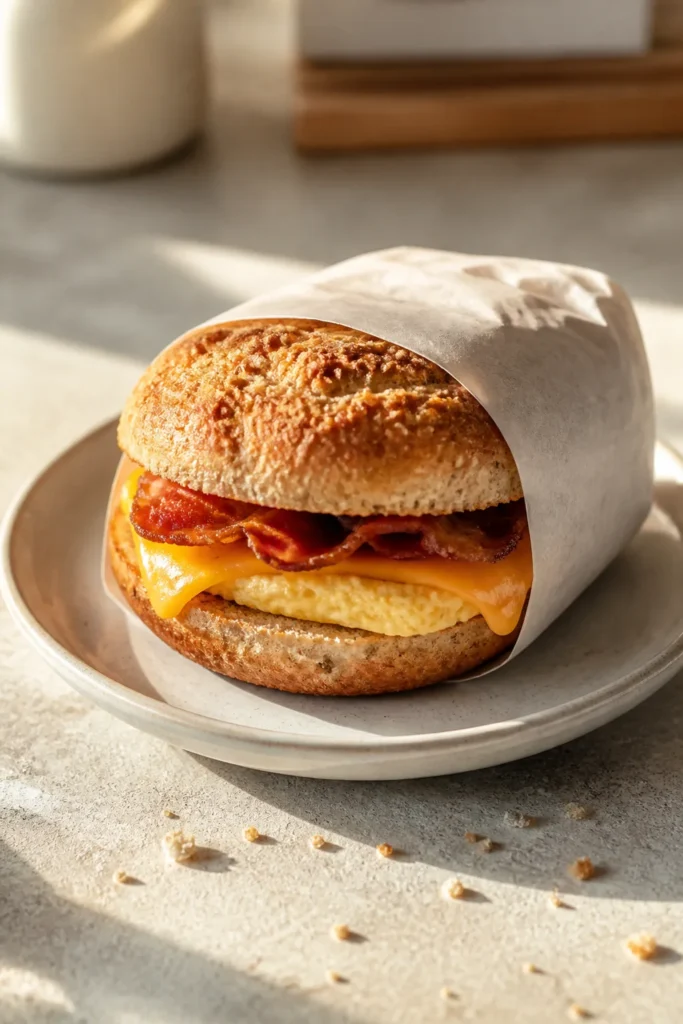
    Single breakfast sandwich wrapped in parchment on a plate

    Reader questions

    What’s the best gluten free bread for breakfast sandwiches?

    Gluten free English muffins are my top pick because the crumb is tight and they toast up crisp. Bagels come second, but slice and toast them very well. If your bread feels soft after toasting, keep it in the dry skillet another minute until the surface is golden and firm.

    Can I make these dairy-free and still have them hold together?

    Yes. Use a meltable dairy-free cheese and vegan butter for toasting. The key is heat: place the cheese directly on the hot egg so it softens and sticks. Skip the milk in the egg mixture and add a teaspoon of water instead.

    Do the sandwiches freeze well?

    They freeze great if you cool them first and wrap tightly. Freeze up to 2 months. Reheat at 350°F (175°C) for 25 to 30 minutes or until hot in the center, then toast the cut sides for 1 to 2 minutes to bring back the crunch.

    How do I keep the sandwich from getting soggy?

    Toast the muffins deeply, pat tomato slices dry, and put a thin layer of mayo or butter on the cut sides as a moisture barrier. Build with cheese next to the hot egg so it melts and seals, and avoid watery sauces.

    Can I skip bacon or sausage?

    Absolutely. Try a crispy hash brown patty, roasted peppers, or extra cheese. Keep the fillings in a single, even layer so the sandwich stays compact.

    Final thoughts

    Once you toast the bread well and bake the eggs, these gluten free breakfast sandwiches really do hold together. They’re simple, sturdy, and flexible for whatever you have in the fridge. I hope they make your mornings calmer and tastier.

  • Gluten Free Breakfast for Toddlers: 9 Safe Ideas

    Gluten Free Breakfast for Toddlers: 9 Safe Ideas

    Feeding toddlers is a sport, and feeding them gluten free can feel like a championship game. The good news: you don’t need fancy products to make simple, safe breakfasts they’ll actually eat.

    Below you’ll find nine easy ideas plus my go-to recipe for soft mini banana oat pancakes. It’s fast, freezer friendly, and gentle for little mouths still learning to chew.

    Why these gluten free toddler breakfasts work

    Toddler breakfasts should be soft, easy to grasp, and not overly sweet. These ideas focus on simple whole foods, minimal added sugar, and textures that are friendly for newer chewers.

    The recipe here centers on certified gluten free oats, a pantry staple that blends into a tender pancake batter. If oats are new for your family or you cook for someone with celiac disease, read what celiacs need to know about gluten free oats before you start.

    Need even faster options for busy mornings? You might like these 15 gluten free breakfasts under 10 minutes. And if you’re traveling with a toddler, bookmark gluten free hotel breakfast ideas for stress-free mornings on the road.

    What you’ll need for mini banana oat pancakes

    These soft pancakes use blended certified gluten free oats, ripe banana, and a few pantry staples. They cook up into tiny, hand-friendly rounds perfect for toddlers.

    • 1 1/2 cups certified gluten free rolled oats, divided; blended to a fine flour
    • 1 large ripe banana, mashed
    • 2 large eggs
    • 1/2 cup milk of choice, dairy or unsweetened non-dairy
    • 1 tsp baking powder, gluten free
    • 1/2 tsp ground cinnamon
    • 1 tsp vanilla extract
    • 1/8 tsp fine sea salt
    • 1 tbsp neutral oil or butter, for cooking, plus more as needed
    • 2 tbsp finely ground chia seeds, optional, for more fiber
    • 1/3 cup blueberries, optional, halved if large

    How to make them

    Blend, rest, and cook into tiny rounds until golden and set.

    1. Add the oats to a blender and process into a fine flour, about 30 to 45 seconds. Tap the sides to release any clinging flour.
    2. Add the banana, eggs, milk, baking powder, cinnamon, vanilla, and salt. Blend just until smooth, 10 to 15 seconds. If using ground chia, pulse it in now.
    3. Let the batter rest 5 minutes to hydrate and slightly thicken. If it becomes too thick, stir in 1 to 2 teaspoons milk.
    4. Preheat a nonstick skillet or griddle over medium to medium-low heat. Lightly coat with oil or butter.
    5. Drop batter by 1 tablespoon portions to form small rounds. If using blueberries, press a few pieces into each pancake.
    6. Cook until the edges look set and the bottoms are golden, 1 to 2 minutes. Flip gently and cook 1 to 2 minutes more until puffed and cooked through.
    7. Transfer to a plate and keep warm while you finish the rest, adding more oil or butter to the pan as needed.
    8. Serve warm with yogurt, applesauce, or a thin swipe of nut or seed butter. Cut into bite-size pieces for newer eaters if needed.
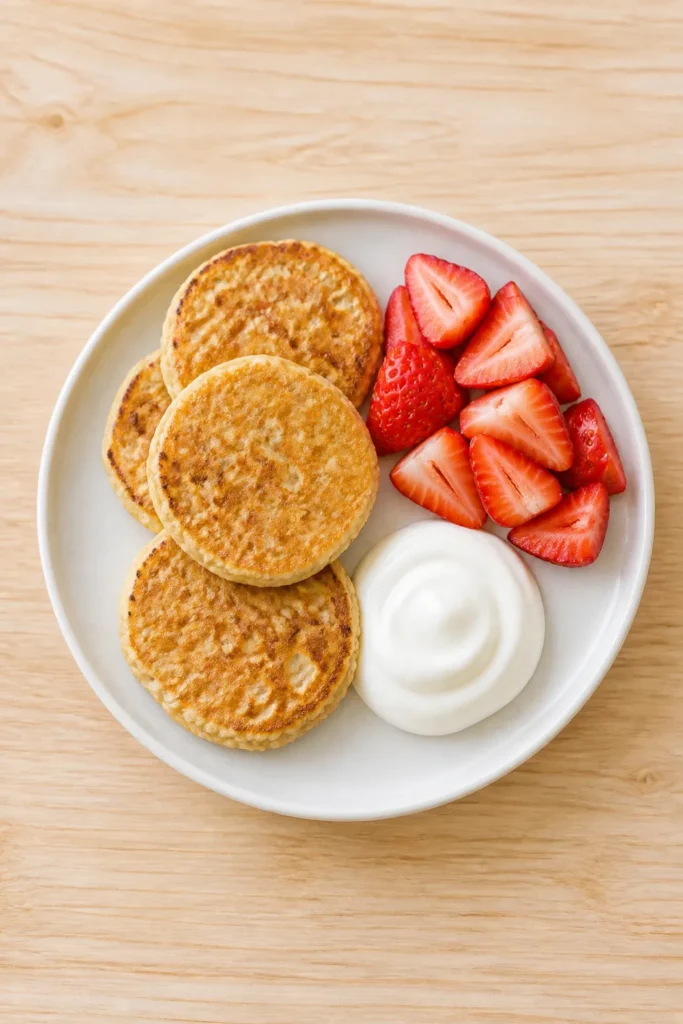
    Overhead view of mini pancakes with fruit and yogurt

    Storage, make-ahead, and reheating

    Refrigerate leftover pancakes in an airtight container for up to 4 days. To freeze, place in a single layer on a sheet pan until firm, then move to a freezer bag for up to 2 months.

    Reheat straight from the fridge in a dry skillet over low heat for 2 to 3 minutes per side or in the microwave for 10 to 15 seconds at a time until just warm. From frozen, warm in the toaster on the lowest setting or microwave in 10-second bursts to avoid hot spots.

    For make-ahead, blend the batter the night before and chill. Give it a quick stir in the morning, adding 1 to 2 teaspoons milk if it thickened.

    Common mistakes to avoid

    • Skipping certified gluten free oats: Regular oats can be cross-contaminated. Use certified gluten free oats to keep the recipe safe.
    • Overblending the batter: Blend just until smooth. Overblending can make the batter gummy.
    • Making pancakes too large: Small, 1-tablespoon rounds cook evenly and are easier and safer for toddlers to chew.
    • Heat too high: Medium to medium-low heat prevents over-browning before the centers set.
    • Serving too dry: Offer a moisture helper like yogurt or applesauce for easier chewing and swallowing.
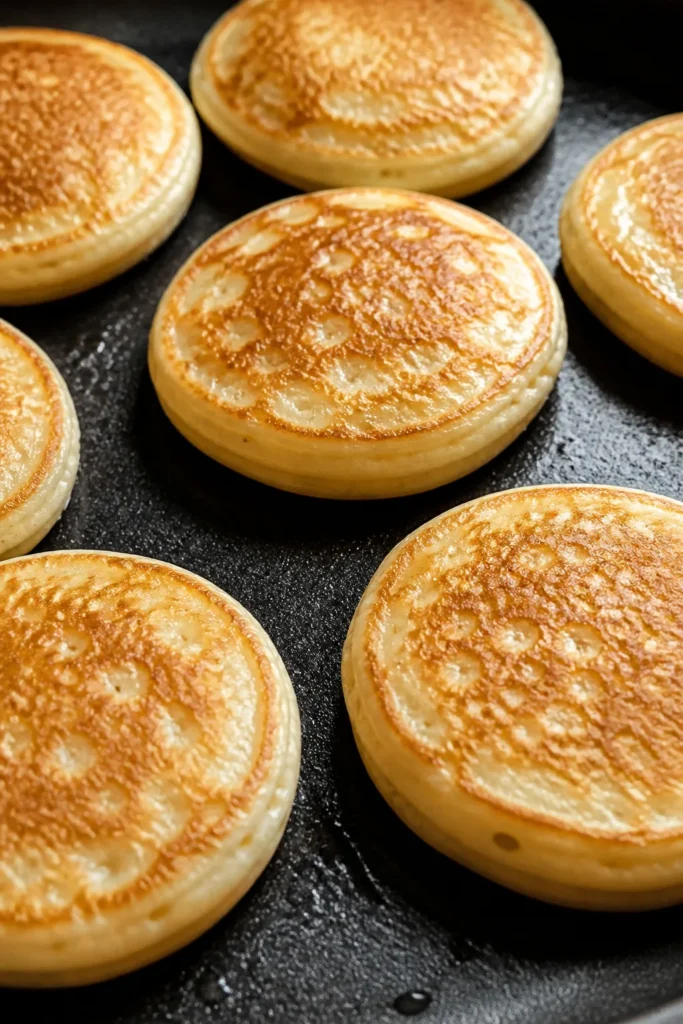
    Close-up of mini pancakes cooking in a skillet

    9 safe gluten free breakfast ideas for toddlers

    • Mini banana oat pancakes (recipe below): Soft, hand-sized, and lightly sweet from banana.
    • Scrambled eggs with avocado: Soft curds and mashed avocado for healthy fats. Serve with soft fruit.
    • Yogurt parfait cups: Whole-milk yogurt with mashed berries and a sprinkle of certified gluten free oat crumble.
    • Mashed sweet potato bowls: Warm mashed sweet potato with a pat of butter and cinnamon; thin with a splash of milk.
    • Cottage cheese and fruit plate: Small curds with diced soft peaches or pears. Add a drizzle of peanut butter if tolerated.
    • Cheesy quinoa bites: Cooked quinoa mixed with shredded cheese and egg, baked into mini bites until set.
    • Overnight chia pudding: Use milk of choice and mash in banana for sweetness. Stir well to prevent clumps.
    • Gluten free toast soldiers: Use trusted GF bread, lightly toasted and spread with avocado or thin peanut butter.
    • Oven-baked oatmeal fingers: Bake certified GF oats with milk and fruit, then cut into bars for easy gripping.

    What to serve with these pancakes

    Round out the plate with protein and produce. Try a dollop of whole-milk yogurt, a few soft berries, or finely diced peaches. For extra staying power, add scrambled eggs or a small serving of cottage cheese.

    Keep toppings simple: a swipe of almond butter, a drizzle of melted butter, or a spoonful of applesauce. Skip sticky syrups for toddlers and aim for naturally moist sides.

    Small serving of cut mini pancakes with applesauce

    Toddler gluten free breakfast questions

    Are oats safe for toddlers who are gluten free?

    Yes, as long as they are labeled certified gluten free to reduce the risk of cross-contact with wheat, barley, or rye. Introduce oats slowly and watch for any individual sensitivities. If your child has celiac disease, check with your pediatrician or dietitian first.

    How can I add more protein to these breakfasts?

    Pair pancakes or toast with yogurt, cottage cheese, scrambled eggs, or a thin layer of nut or seed butter. You can also mix hemp hearts or finely ground chia seeds into smoothies, yogurt, or the pancake batter.

    What if my toddler is sensitive to dairy too?

    Use unsweetened almond, oat, or soy milk in the pancake batter and cook in coconut oil or olive oil. Serve with dairy-free yogurt and fruit instead of yogurt or cheese.

    How small should I cut food for toddlers?

    Keep pieces small, soft, and easy to mash with the tongue. For pancakes, make 1-tablespoon rounds and cut into bite-size pieces if needed. Avoid hard chunks, whole nuts, and sticky globs that can be choking hazards.

    Can I make the pancakes without eggs?

    Yes. Replace the eggs with 2 tablespoons ground flaxseed mixed with 5 tablespoons warm water, rested for 5 minutes. The texture will be a bit softer, so cook on slightly lower heat and flip gently.

    A quick, warm goodbye

    I hope these ideas make your mornings calmer and your toddler happily full. If you try the pancakes, come back and tell me what your little one liked on top.

    Breakfast doesn’t need to be fancy to be nourishing. Keep it soft, simple, and gluten free, and you’ll be set.

  • 14 Gluten Free Breakfast Ideas for Weekend Mornings

    14 Gluten Free Breakfast Ideas for Weekend Mornings

    Slow weekend mornings deserve good coffee, a cozy playlist, and a breakfast that makes the whole house smell amazing. If you eat gluten free, you still have tons of satisfying options that feel special without keeping you in the kitchen all morning.

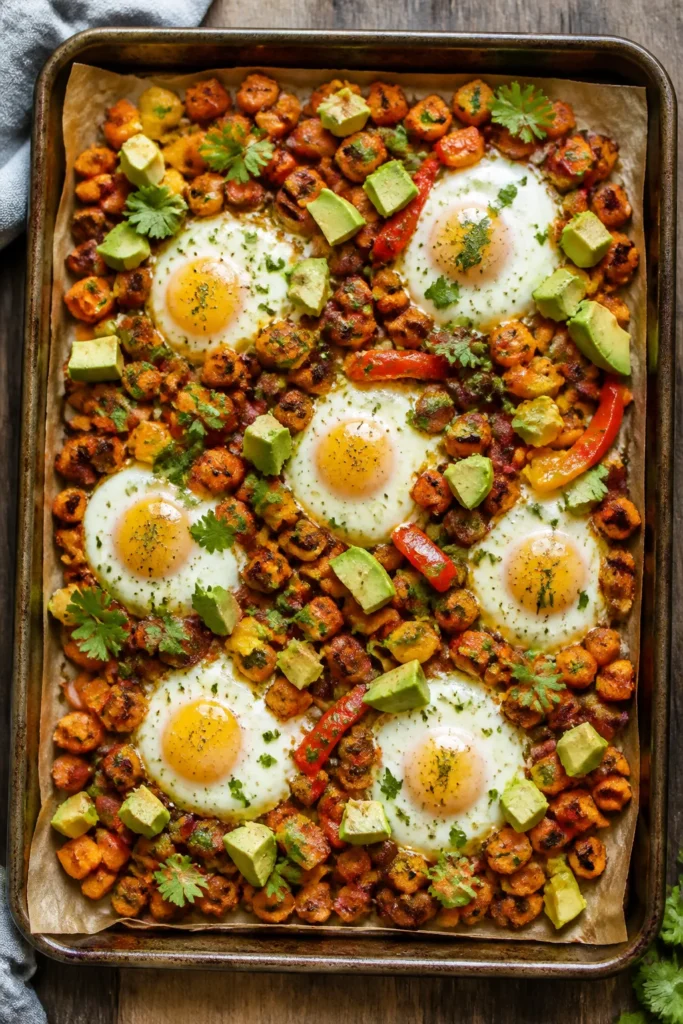
    Below you’ll find 14 gluten free breakfast ideas to mix and match, plus my go-to recipe for a crispy sheet pan sweet potato hash with eggs. It’s hearty, naturally gluten free, and uses pantry spices you probably have on hand.

    Why these gluten free breakfast ideas work

    Weekend breakfast should be unfussy, big on flavor, and easy to share. I lean on naturally gluten free basics like eggs, potatoes, yogurt, fruit, and corn tortillas, then add a few smart shortcuts. The featured sheet pan hash checks all the boxes: one pan, crispy edges, jammy eggs, and plenty of color.

    Want to branch out with oats? Read this first: gluten free breakfast oats and what celiacs need to know. Planning a trip soon? These gluten free hotel breakfast ideas will save your mornings. And for busy weekdays, try my 15 gluten free breakfasts under 10 minutes.

    Here are 14 gluten free breakfast ideas perfect for slow weekends:

    • Sheet Pan Sweet Potato Hash with Eggs: Today’s recipe. Crispy, smoky, and feeds a crowd.
    • Veggie Omelet Bar: Set out fillings like spinach, mushrooms, feta, and let everyone build their own.
    • Greek Yogurt Parfaits: Layer yogurt, berries, peanut butter, and certified gluten free granola.
    • Breakfast Tacos: Warm corn tortillas, scrambled eggs, avocado, salsa, and cheese.
    • Chia Pudding: Prep the night before and finish with mango and toasted coconut.
    • Cottage Cheese Bowls: Top with tomatoes, cucumbers, olive oil, and everything bagel seasoning.
    • Smoked Salmon Plates: Cukes, capers, red onion, lemon, and salmon; serve with gluten free crackers.
    • Huevos Rancheros: Refried beans on corn tortillas with eggs and salsa roja.
    • Shakshuka: Eggs baked in garlicky tomato-pepper sauce. Mop up with gluten free toast.
    • Frittata: Bake with leftover veggies and cheese; great warm or room temp.
    • Banana-Oat Blender Pancakes: Use certified gluten free oats; blitz and cook.
    • Avocado Toast: On your favorite gluten free bread with chili flakes and lemon.
    • Breakfast Fried Rice: Use leftover rice, peas, scallions, tamari, and a fried egg.
    • Berry Smoothie Bowls: Thick, spoonable, and topped with nuts or seeds.

    Ingredients for Sheet Pan Sweet Potato Hash with Eggs

    A handful of pantry spices, sweet potatoes, and eggs make a hearty base. Add fresh toppings for color and crunch.

    • 1 1/2 pounds sweet potatoes, peeled and cut into 1/2-inch dice
    • 1 red bell pepper, seeded and chopped
    • 1 small red onion, thinly sliced
    • 3 tbsp olive oil
    • 1 tsp smoked paprika
    • 1/2 tsp garlic powder
    • 1/2 tsp chili powder, optional, for heat
    • 3/4 tsp kosher salt, plus more to taste
    • 1/2 tsp black pepper, freshly ground
    • 6 large eggs
    • 4 slices bacon, cooked and crumbled, optional
    • 1 ripe avocado, sliced
    • 2 tbsp fresh cilantro, chopped
    • hot sauce, to taste

    How to make the sheet pan hash

    Roast the veggies until crisp, then nestle in eggs and bake until just set.

    1. Preheat the oven to 425°F (220°C). Line a large rimmed sheet pan with parchment paper for easy cleanup.
    2. In a large bowl, toss the diced sweet potatoes, bell pepper, and red onion with olive oil, smoked paprika, garlic powder, chili powder (if using), kosher salt, and black pepper until evenly coated.
    3. Spread the vegetables on the sheet pan in a single layer with space between pieces for maximum browning.
    4. Roast for 15 minutes, then stir and spread back out. Continue roasting for another 8 to 10 minutes, until the sweet potatoes are tender and the edges are browned and crisp.
    5. Remove the pan and use a spatula to make 6 small wells in the vegetables. Crack one egg into each well, keeping the yolks centered if you like them runny.
    6. Return the pan to the oven and bake for 6 to 8 minutes, until the whites are just set and the yolks are still slightly jiggly. For firmer yolks, bake 2 to 3 minutes longer.
    7. Optional: Turn the broiler on high and broil for 1 minute to add golden color to the egg whites and edges of the hash. Watch closely to prevent overcooking.
    8. Remove from the oven and immediately season the eggs with a pinch of salt and pepper. Top the hash with crumbled bacon, avocado slices, and cilantro, and drizzle with hot sauce to taste.
    9. Serve hot straight from the pan. Scoop generous portions so everyone gets vegetables and an egg.
    Overhead view of sweet potato egg hash on a sheet pan

    Storage, make-ahead, and reheating

    Cool leftovers, then store the hash (without eggs) in an airtight container for up to 4 days. Keep cooked eggs separately for best texture, up to 2 days. If you plan ahead, roast the sweet potatoes and veggies the day before, then reheat and add fresh eggs right before serving.

    Reheat the hash on a sheet pan at 375°F (190°C) for 8 to 10 minutes until hot and crisp at the edges. Reheat eggs gently in a covered skillet over low heat for 1 to 2 minutes, or enjoy them cold over the warmed hash. Avocado and herbs are best added right before serving.

    Common mistakes to avoid

    • Crowding the pan: Piled vegetables steam instead of crisp. Use a large, rimmed sheet pan or two pans so everything sits in a single layer.
    • Cutting uneven pieces: Big chunks take longer and cook unevenly. Aim for 1/2-inch dice on the sweet potatoes for uniform doneness.
    • Skipping the oil: Too little oil leads to dry, pale veggies. Use the full amount so edges caramelize.
    • Adding eggs too soon: Crack them in before the potatoes are tender and you’ll overcook the eggs waiting on the veg. Roast first, then add eggs for the final minutes.
    • Forgetting to season: Potatoes love salt. Taste and finish with a pinch of salt and pepper on the eggs at the end.
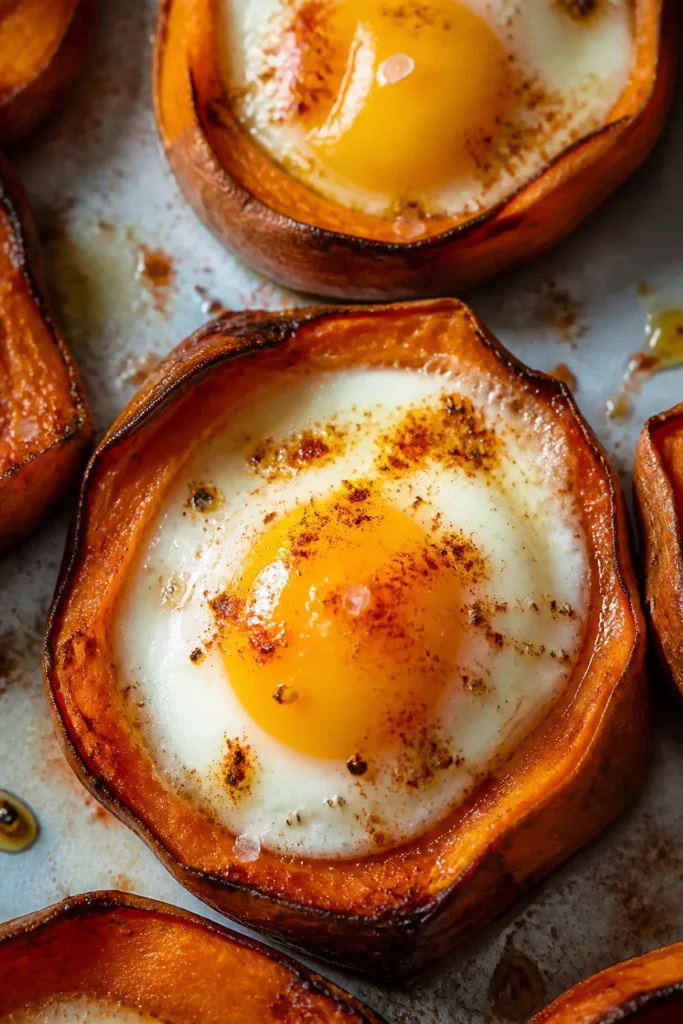
    Close-up of crispy sweet potatoes and jammy egg yolk

    Variations and substitutions

    • Swap the spuds: Butternut squash or Yukon gold potatoes both work. Roast times may vary by a few minutes.
    • Make it meatier: Toss in cooked crumbled sausage or bacon during the last 5 minutes to warm through.
    • Go meatless: Add black beans in the final 5 minutes and finish with lime and queso fresco.
    • Spice it differently: Try taco seasoning, Cajun spice, or za’atar instead of smoked paprika.
    • Add greens: Fold in a few cups of baby spinach after roasting; the heat will wilt it in under a minute.
    • Feta finish: Crumble 1/3 cup feta or goat cheese on top for a salty pop.
    • Short on time? Browse my under-10-minute gluten free breakfasts and pair them with fruit or yogurt.

    What to serve with it

    Round out the plate with a simple fruit salad, a bowl of berries, or sliced oranges. For something savory, add a few slices of crispy bacon or gluten free sausage. A small side of plain Greek yogurt with honey balances the smoky potatoes.

    Gluten free toast or warmed corn tortillas are great for scooping. If you’re an oat lover, read up on sourcing first here: what celiacs need to know about oats.

    Plated serving of sweet potato hash with an egg and avocado

    Reader questions

    Can I use regular potatoes instead of sweet potatoes?

    Yes. Yukon gold or red potatoes crisp nicely. Cut them the same 1/2-inch size and check a few minutes earlier, since they can brown faster than sweet potatoes.

    How do I keep the eggs from spreading on the sheet pan?

    Make six deep wells in the roasted vegetables, then crack each egg directly into a well. If your pan is very slick, leave a slightly tighter layer of veggies so the eggs have a border to hold them in place.

    What’s the best way to make this recipe dairy free?

    The base recipe is naturally dairy free. Just avoid finishing with cheese. For richness, add avocado or a swirl of dairy free pesto before serving.

    Can I meal prep this for weekday breakfasts?

    Absolutely. Roast the vegetables on Sunday, then reheat portions and top with a freshly cooked egg each morning. This keeps textures at their best all week.

    Do I need to peel the sweet potatoes?

    Peeling is optional. The skins are tender and add fiber, but if you prefer a smoother bite, peel them before dicing.

    A cozy weekend wrap-up

    I hope these gluten free breakfast ideas spark new traditions at your table. Start with the sheet pan hash, then try a couple of the quick options next week.

    Pour another cup of coffee, put the eggs in, and let the oven do the work. Happy weekend cooking.

  • Gluten Free Breakfast Recipes That Don’t Taste Like Cardboard

    Gluten Free Breakfast Recipes That Don’t Taste Like Cardboard

    If gluten free breakfasts have let you down in the past, I’m about to fix that with a stack of fluffy pancakes that actually taste like breakfast, not a box. These banana oat pancakes cook up tender and golden, with warm cinnamon, sweet banana, and crisp edges from the skillet.

    They’re quick, budget-friendly, and totally celiac-safe when you use certified gluten free oats. Make a batch for the week or a lazy Saturday morning, and I promise you won’t miss the wheat.

    Why These Pancakes Don’t Taste Like Cardboard

    Three things make these pancakes soft and flavorful: mashed ripe bananas for natural sweetness and moisture, oat flour for a hearty crumb, and a touch of almond flour for richness. The batter rests for a few minutes so the oats hydrate, which keeps the texture light instead of dry.

    We also boost lift with a generous amount of baking powder, so you get those little bubbles that turn into a fluffy middle. If you’re curious about choosing safe oats, read my quick guide on what celiacs need to know about gluten free oats before you shop.

    Ingredients You’ll Need

    Simple pantry staples with a couple of strategic swaps do the heavy lifting here. Ripe bananas and a blend of oat and almond flours create a tender, flavorful pancake that browns beautifully.

    • 2 ripe bananas, very spotty, well mashed
    • 2 large eggs
    • 3/4 cup milk, dairy or unsweetened almond milk
    • 1 tsp vanilla extract
    • 1 1/2 cups certified gluten free rolled oats, blended into a fine flour
    • 1/2 cup almond flour, fine blanched
    • 2 tsp baking powder, gluten free
    • 1/2 tsp ground cinnamon
    • 1/4 tsp fine sea salt
    • 1-2 tbsp butter or neutral oil, for the skillet
    • 1 cup blueberries, optional, fresh or frozen
    • maple syrup, Greek yogurt, and extra banana slices, for serving

    How to Make the Fluffiest Gluten Free Banana Oat Pancakes

    Mix, rest, and cook until golden and set.

    1. Make oat flour: Add the rolled oats to a blender and blend until very fine and powdery, about 30 to 45 seconds. Set aside.
    2. Whisk wet ingredients: In a large bowl, whisk the mashed bananas, eggs, milk, and vanilla until smooth.
    3. Combine dry ingredients: In a separate bowl, stir together the fresh oat flour, almond flour, baking powder, cinnamon, and salt.
    4. Make the batter: Add the dry ingredients to the wet and stir just until combined. If using blueberries, gently fold them in. Let the batter rest for 5 minutes to thicken slightly.
    5. Preheat the pan: Heat a large nonstick skillet or griddle over medium heat and brush with a little butter or oil. The surface is ready when a drop of water sizzles gently, not violently.
    6. Cook pancakes: Scoop about 1/4 cup batter per pancake onto the skillet. Cook until the edges look set and bubbles form across the surface, 2 to 3 minutes. Flip and cook until golden and cooked through, 1 1/2 to 2 minutes more.
    7. Finish the batch: Adjust heat as needed to prevent burning and re-grease the skillet between batches. Keep cooked pancakes warm on a wire rack in a 200°F (95°C) oven.
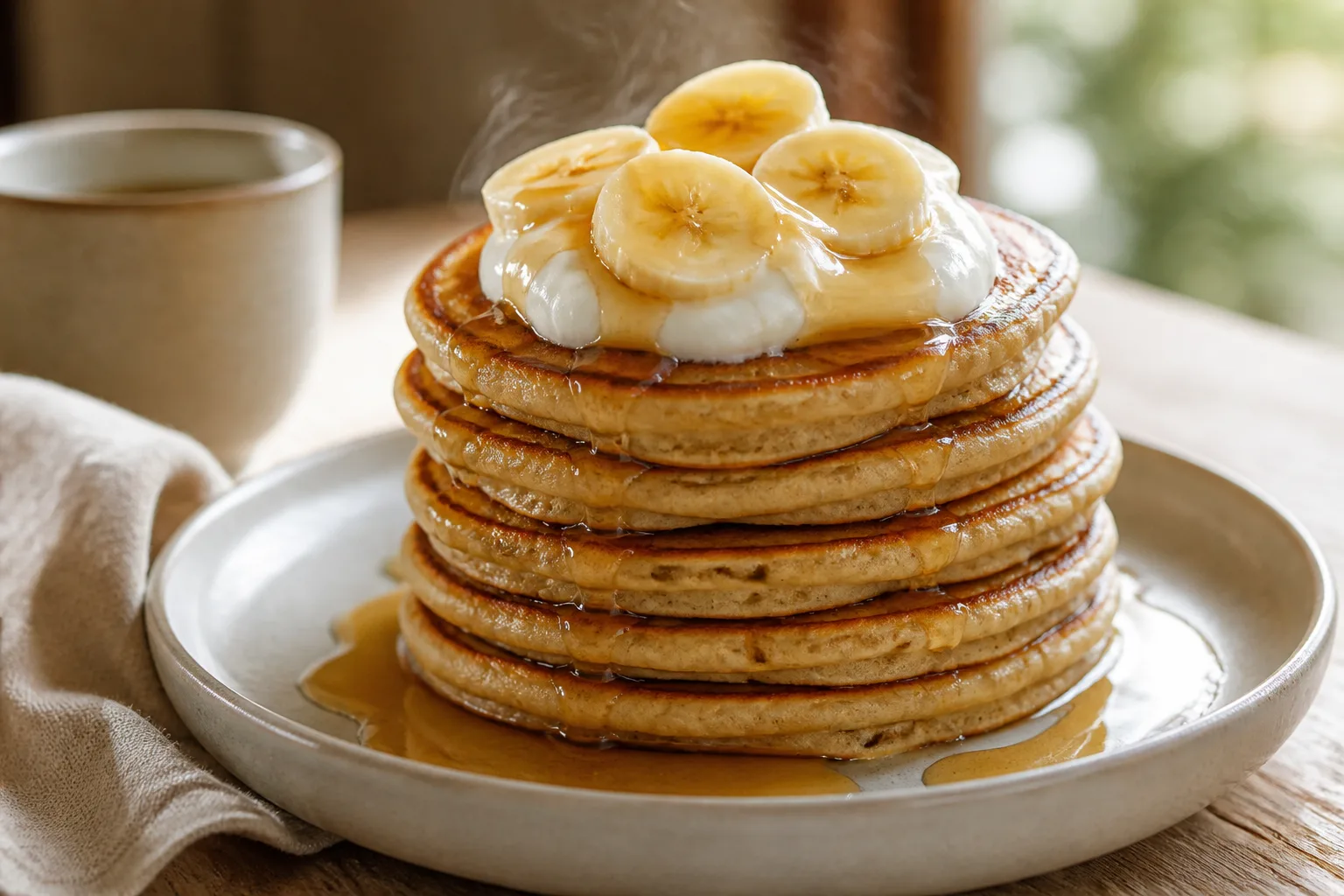
    8. Serve: Stack pancakes with yogurt, banana slices, and a drizzle of maple syrup. Serve hot.
    Overhead view of pancakes bubbling in the skillet

    Storage, Make-Ahead, and Reheating

    Let leftovers cool, then refrigerate in an airtight container for up to 4 days. For longer storage, freeze in a single layer, then stack with parchment between pancakes in a zip-top bag for up to 2 months.

    Reheat from the fridge in a toaster or skillet over medium heat for 1 to 2 minutes per side. From frozen, pop them straight into the toaster or warm in a 300°F (150°C) oven for 8 to 10 minutes until hot. For speedy weekday mornings, I keep a stash ready alongside these gluten free breakfasts that take under 10 minutes.

    Common Mistakes to Avoid

    • Using unripe bananas: Green or just-yellow bananas won’t add enough sweetness or moisture. Choose speckled, very ripe bananas.
    • Skimping on the rest: The 5-minute rest hydrates the oats. Skipping it can give you gritty pancakes.
    • Too-hot skillet: If the pan smokes, the outside burns before the center cooks. Aim for steady medium heat and adjust as you go.
    • Overmixing the batter: Stir until just combined to keep the texture tender and prevent flat pancakes.
    • Using regular oats: Cross-contact is common. Look for certified gluten free rolled oats to keep this truly gluten free.
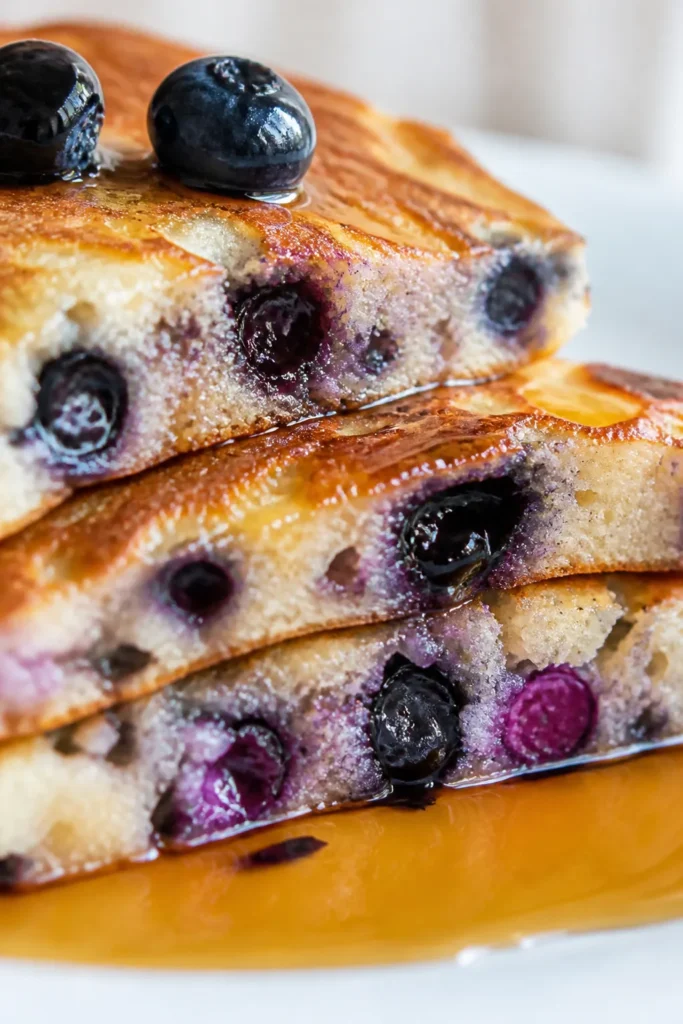
    Close-up of fluffy pancake texture with blueberries and syrup

    Variations and Easy Swaps

    • Blueberry banana pancakes: Fold in 1 cup fresh or frozen blueberries right before cooking.
    • Chocolate chip: Stir in 1/2 cup mini chocolate chips for a treat.
    • Dairy-free: Use almond milk or oat milk and coconut oil for the skillet.
    • Nut-free: Swap almond flour for an equal amount of additional oat flour and add 1 tablespoon melted butter or oil for richness.
    • Protein boost: Add 1/4 cup vanilla or unflavored gluten free whey or plant protein. If the batter thickens too much, splash in 1 to 2 tablespoons milk.
    • Spice it up: Cinnamon is great, but a pinch of nutmeg or cardamom makes them extra cozy.

    What to Serve With These Pancakes

    We love them with Greek yogurt, a drizzle of maple syrup, and fresh berries. Crispy bacon or breakfast sausage adds protein and that salty balance against the sweet banana.

    If you’re traveling soon and need more easy ideas you can make with minimal equipment, bookmark my list of gluten free breakfast ideas for hotel rooms. These pancakes reheat nicely in a toaster, even on the go.

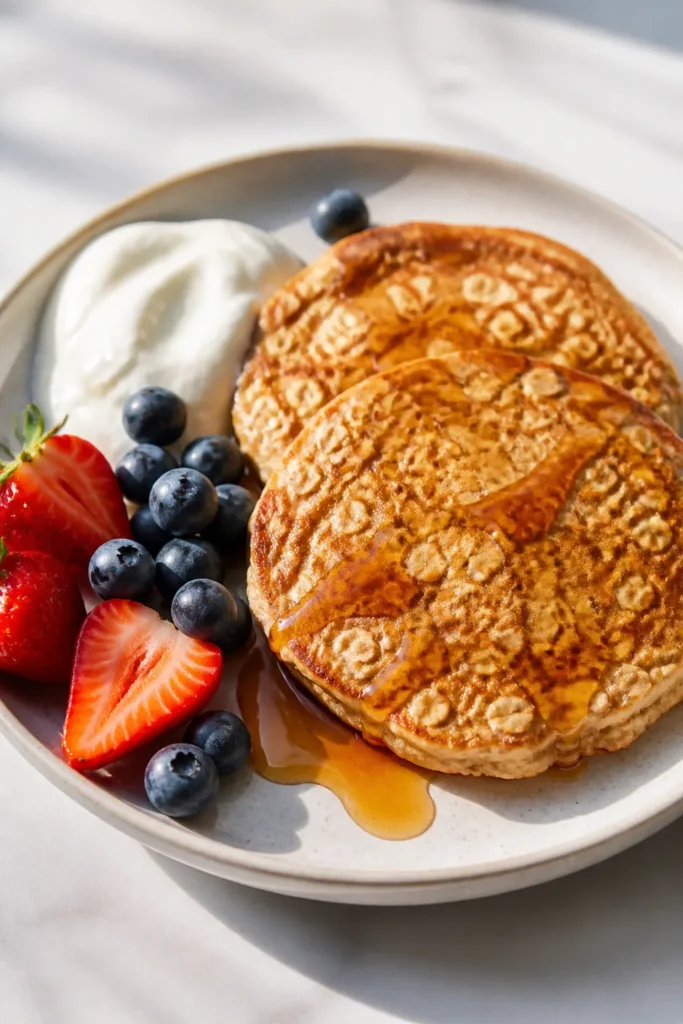
    Single serving of two pancakes with yogurt and berries

    Your Questions, Answered

    Can I use store-bought oat flour instead of grinding oats?

    Yes. Use 1 1/2 cups store-bought certified gluten free oat flour and weigh if you can for accuracy. If the batter seems thicker than scoopable yogurt, stir in 1 to 2 tablespoons more milk.

    Do these pancakes taste like bananas?

    They have a gentle banana flavor, not banana bread-level strong. If you prefer a milder taste, use bananas that are just speckled and add 1 teaspoon vanilla for balance.

    How do I keep pancakes warm while I cook the rest?

    Place cooked pancakes on a wire rack set over a sheet pan in a 200°F (95°C) oven. The rack prevents steam from making them soggy while you finish the batch.

    Can I make the batter the night before?

    You can mix the dry ingredients and wet ingredients separately the night before. Combine them in the morning and rest for 5 minutes before cooking. Fully mixed batter thickens overnight and can get dense.

    Are these pancakes celiac-safe?

    They are when you choose certified gluten free oats and a gluten free baking powder. For more details on safe sourcing, see my guide to gluten free breakfast oats.

    A Warm, Banana-Scented Finish

    Gluten free breakfasts should taste like breakfast. This stack is soft in the middle, golden at the edges, and sweet without a ton of sugar. Make them once and you’ll keep bananas on the counter just for pancake day.

  • Gluten Free Breakfast Oats: What Celiacs Need to Know First

    Gluten Free Breakfast Oats: What Celiacs Need to Know First

    Oats can be a comforting, affordable breakfast, but if you have celiac disease, you hear a lot of mixed messages. Are oats safe, which ones should you buy, and how do you cook them without worry? This post lays it out simply and includes a creamy stovetop recipe you can make any morning.

    I’ve cooked gluten free oats for years and learned what actually matters: the right oats, clean tools, and slow, steady testing for your body. You’ll find practical tips, clear labels to look for, and a cozy bowl you can top a dozen ways.

    Why these gluten free oats work for celiacs

    First, safety. This recipe is built around purity protocol or certified gluten free oats, cooked with simple ingredients that are easy to source and label-check. The method uses a gentle simmer and enough liquid to keep the oats tender and creamy without burning or sticking.

    Second, flexibility. You can use dairy or nondairy milk, sweeten a little or a lot, and change toppings by season. I also include cross-contact tips so your kitchen setup supports you long term. If you’re new here, a quick hello from my GF kitchen is in this short welcome post.

    What you’ll need (and why it matters)

    Choose oats that are labeled certified gluten free or produced under a purity protocol. A pinch of salt, warm spices, and a little vanilla make a small pot of oats taste like a cozy bakery breakfast.

    • 1 cup certified gluten free old-fashioned rolled oats
    • 1 1/4 cups water
    • 3/4 cup milk of choice, dairy or dairy free
    • 1/8 tsp fine sea salt
    • 1/2 tsp ground cinnamon
    • 1 tsp pure vanilla extract
    • 1-2 tbsp pure maple syrup, to taste
    • 1 tbsp chia seeds, optional, for extra creaminess
    • 1 ripe banana, sliced, for topping
    • 1/2 cup fresh berries, for topping
    • 2 tbsp peanut butter or almond butter, for topping

    How to make creamy gluten free breakfast oats

    Follow these simple steps for a safe, creamy bowl.

    1. In a medium saucepan, combine the certified gluten free oats, water, milk, salt, and cinnamon. Stir to combine.
    2. Bring to a gentle simmer over medium heat, stirring often so the oats don’t stick. Once simmering, reduce heat to medium-low.
    3. Cook, stirring every 30 seconds, until the oats are creamy and tender, 5 to 7 minutes. If the pot looks dry, add 1 to 2 tablespoons water.
    4. Stir in vanilla, maple syrup to taste, and chia seeds if using. Cook 30 seconds more, then remove from heat.
    5. Let the oats sit off heat for 1 to 2 minutes to thicken slightly. Taste and adjust sweetness or salt.
    6. Spoon into bowls and top with sliced banana, berries, and a swirl of peanut or almond butter. Serve warm.
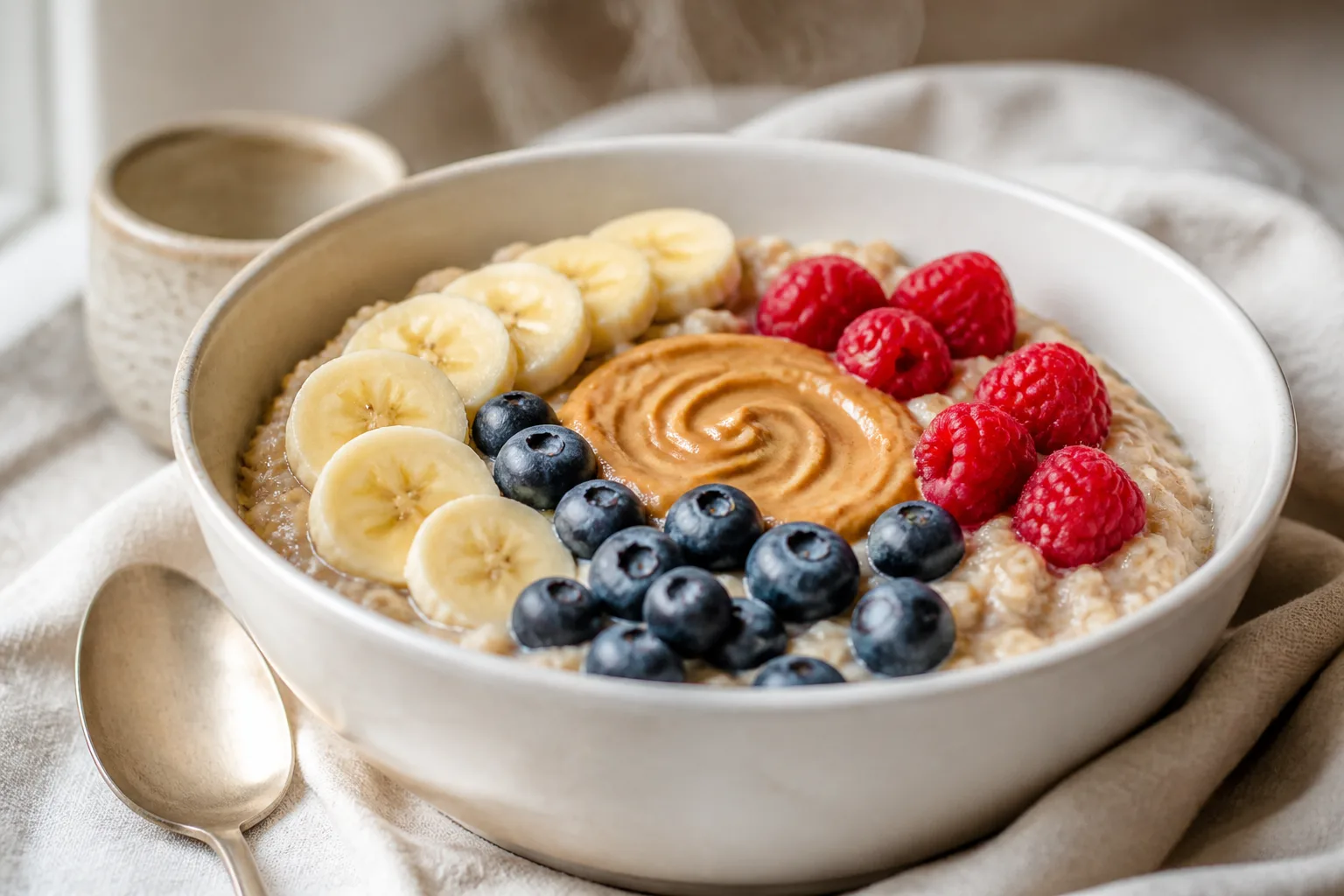
    Overhead view of two bowls of gluten free oats with fruit and maple.

    Storage, make-ahead and reheating

    Cooked oats keep well. Cool completely, then store in an airtight container for up to 4 days in the fridge. For longer storage, portion into freezer-safe containers and freeze for up to 2 months.

    Reheat gently with extra liquid. Add 2 to 3 tablespoons milk or water per serving in a saucepan over low heat, stirring often, 2 to 4 minutes until steamy and creamy. Microwave in a bowl with a splash of milk, covered, 45 to 60 seconds, stir, then another 30 seconds as needed.

    For weekday speed, meal-prep plain oats and add toppings just before eating. This keeps textures fresh and avoids soggy nuts or fruit.

    Common mistakes to avoid

    • Buying regular oats instead of certified or purity protocol oats. Cross-contact with wheat, barley, or rye is common during farming and processing.
    • Using shared utensils or pans that touch gluten. Keep a clean pot, spoon, and measuring cups reserved for GF use, or wash thoroughly before cooking.
    • Skipping the label check. Even certified products can change facilities. Scan for “contains wheat” or “may contain” statements each time you shop.
    • Cooking with too little liquid. Oats scorch fast. Measure liquids and reduce heat once simmering for soft, creamy results.
    • Adding toppings too early. Swirl nut butter, fruit, and sweetener off heat so the texture stays bright and the pot doesn’t burn.
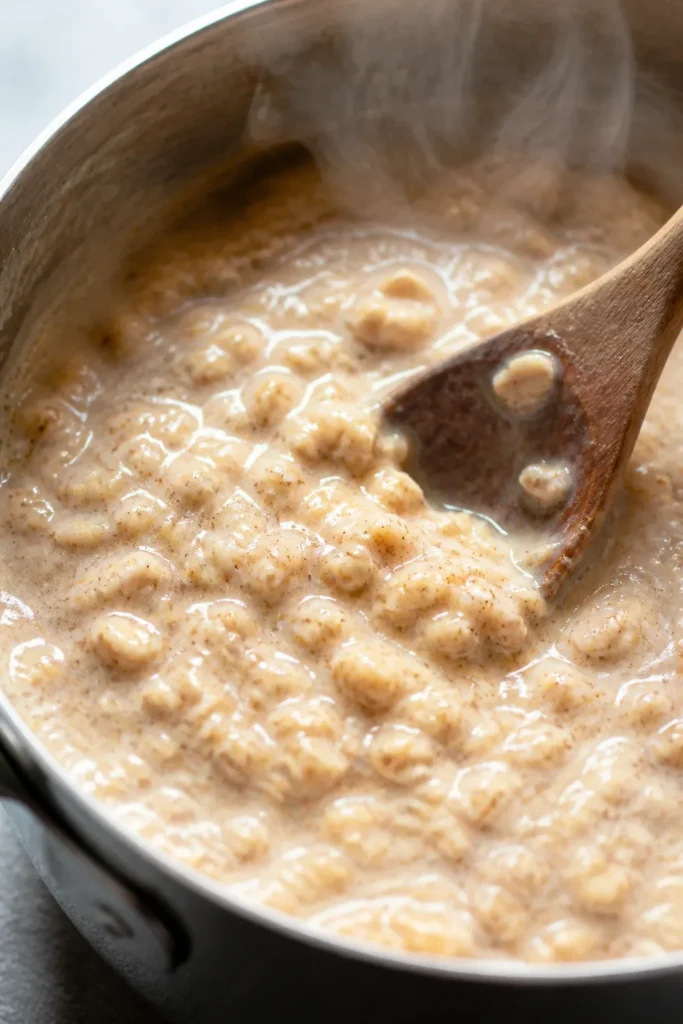
    Close-up of creamy oats in a saucepan with cinnamon.

    Variations and substitutions

    • Steel-cut oats: Use certified GF steel-cut oats. Simmer 1/2 cup oats with 1 3/4 cups water and 1/2 cup milk for 20 to 25 minutes, stirring often.
    • Overnight oats: Mix 1/2 cup certified GF quick or rolled oats with 1/2 cup milk, 2 tsp chia, pinch salt, and 1 tsp maple. Chill 4 hours or overnight.
    • Dairy free: Use almond, oat (certified GF), soy, or coconut milk. Choose unsweetened if you prefer to control sweetness.
    • Protein boost: Whisk in 1 to 2 tbsp peanut butter or 1 scoop unflavored whey or plant protein off heat. Thin with extra milk as needed.
    • Apple cinnamon: Add 1/2 cup finely diced apple and 1/4 tsp extra cinnamon to the pot for the last 3 minutes.
    • Chocolate peanut butter: Stir in 1 tbsp cocoa powder and 1 tbsp peanut butter off heat, then top with sliced banana.

    What to serve with gluten free oats

    Keep it simple with coffee or tea and a side of scrambled eggs for extra protein. Fresh berries, a sliced banana, or chopped dates add natural sweetness without more syrup. For crunch, sprinkle toasted almonds, walnuts, or pumpkin seeds.

    If mornings are busy, portion oats into jars and top with yogurt and fruit for a grab-and-go parfait. A drizzle of maple and a pinch of flaky salt pull everything together.

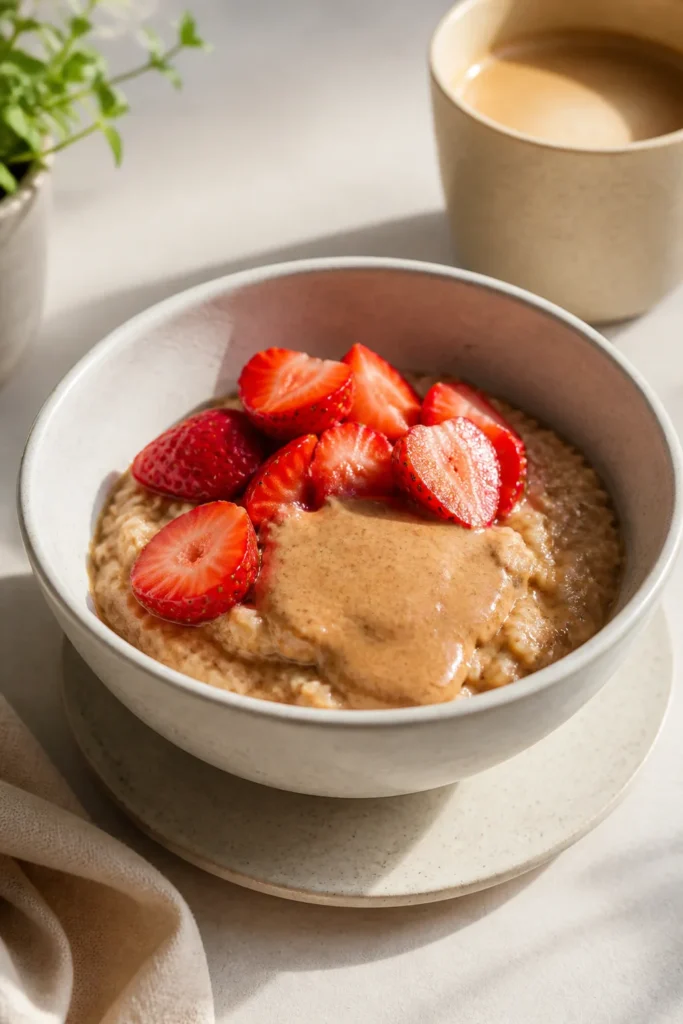
    Single bowl of gluten free oats with almond butter and strawberries.

    Gluten free oats questions, answered

    Are oats safe for people with celiac disease?

    Many people with celiac tolerate oats that are certified gluten free or grown under a purity protocol. These oats are handled to minimize cross-contact with wheat, barley, and rye. That said, a small percentage of celiacs react to oat proteins themselves. If you’re newly diagnosed, talk to your healthcare provider and consider introducing oats slowly while monitoring symptoms.

    What should I look for on the label when buying oats?

    Look for “Certified Gluten Free” or clear purity protocol language from the brand. Avoid bulk bins and packages with “may contain” or “processed in a facility with wheat” statements. Check every time you shop because facilities and suppliers can change.

    How do I prevent cross-contact at home when cooking oats?

    Use a clean saucepan, spoon, and measuring tools that haven’t touched gluten, or keep a set reserved for gluten free cooking. Wipe counters before prep, store GF oats on a high shelf away from flour dust, and avoid sharing the pot with gluten cereals. If you top with nut butters or jam, use a fresh spoon so crumbs from regular bread don’t sneak in.

    Can I use instant or quick oats for this recipe?

    Yes, if they are certified gluten free. Instant oats cook faster and can get mushy if overheated, so use a bit less liquid and reduce cooking time. For the creamiest texture with nice chew, certified GF old-fashioned rolled oats are my pick.

    What if oats upset my stomach?

    Start small: try 1/4 cup dry oats cooked, and increase over a few weeks. Drink water and add fiber gradually. If symptoms continue, stop and talk with your clinician or dietitian. Some people with celiac do better skipping oats entirely, and that’s okay.

    A quick, warm wrap-up

    With the right oats and a few smart habits, this bowl can be a safe, steady breakfast you actually look forward to. Start with small portions, listen to your body, and keep notes if you’re newly gluten free.

    I hope this simple method and the safety tips help you enjoy oats with confidence. If you make it, leave a comment with your favorite topping combo so we can all get inspired.

  • 11 Gluten Free Breakfast Ideas for Hotel Rooms and Travel

    11 Gluten Free Breakfast Ideas for Hotel Rooms and Travel

    Travel mornings can be rough when you eat gluten free. Hotel buffets are often a cross-contact minefield, and airport options are hit or miss. I keep a small kit in my suitcase so I can make real breakfast in minutes with a kettle, microwave, or mini fridge.

    Here are 11 gluten free breakfast ideas you can make in a hotel room with simple ingredients. They’re quick, affordable, and balanced so you start the day satisfied, not starving by 10 a.m.

    Why these hotel-friendly breakfasts work

    Every idea below checks a few boxes: safe for gluten free eaters, minimal tools, and fast. Most use a microwave or kettle, but several are completely no-cook. I’ve balanced protein, fiber, and healthy fats so you don’t crash mid-morning.

    These ideas also use overlapping ingredients. A small bag of gluten free oats, nut butter packets, and shelf-stable milk turn into oatmeal, chia pudding, overnight oats, and smoothies. That means less to pack and less waste.

    What to pack for 11 gluten free hotel breakfasts

    Pack a compact travel pantry. These amounts comfortably cover 11 mix-and-match breakfasts for two to three mornings; adjust for your trip length.

    • 2 cups certified gluten free rolled oats
    • 1 cup chia seeds
    • 4 cups shelf-stable milk, dairy or non-dairy, small boxes
    • 10 nut or seed butter packets
    • 1/2 cup maple syrup, single-serve packets if possible
    • 1 tbsp ground cinnamon
    • 1/2 tsp fine sea salt
    • 6 oz gluten free granola
    • 6 gluten free rice cakes
    • 6 corn tortillas, certified gluten free
    • 15 oz canned black beans, drained and rinsed
    • 6 eggs, or use pre-cooked hard-boiled if available
    • 2 cups Greek yogurt, or dairy-free yogurt
    • 4 bananas
    • 2 cups berries, fresh or frozen
    • 1 cup mixed nuts or seeds
    • 2 cups instant brown rice
    • 2 oz smoked salmon, optional
    • 1 scoop protein powder, your favorite, gluten free
    • 1 small avocado

    How to prep and 11 ways to serve

    Use these steps to set up your hotel “kitchen” and make each breakfast idea fast.

    1. Set up your hotel kitchen: rinse the coffee mug and any microwave-safe bowl with hot water. Check that your microwave works and note its wattage if listed.
    2. Make overnight oats for the next morning: in a bowl or cup, combine 1/2 cup oats, 1/2 cup milk, a pinch of salt, and cinnamon. Cover and refrigerate 6 to 12 hours.
    3. Make chia pudding: mix 3 tbsp chia seeds with 1/2 cup milk, a pinch of cinnamon, and 1 tsp maple syrup. Stir well, rest 5 minutes, stir again, then chill 2+ hours.
    4. Microwave oatmeal (same morning option): combine 1/2 cup oats, 3/4 cup milk, a pinch of salt, and cinnamon. Microwave 60 to 90 seconds, stir, then heat 15- to 30-second bursts until creamy.
    5. Hotel egg scramble: whisk 2 eggs with a pinch of salt in a greased microwave-safe mug. Microwave 30 seconds, stir, then 20- to 30-second bursts until softly set, 60 to 90 seconds total.
    6. Breakfast tacos: warm 2 corn tortillas in the microwave 15 to 20 seconds. Fill with scrambled eggs or warmed black beans, a few avocado slices, and salt.
    7. Yogurt parfait: layer 3/4 cup Greek yogurt with 1/4 cup gluten free granola, berries, and a drizzle of maple syrup.
    8. Peanut butter banana rice cakes: spread 1 packet nut butter on a rice cake, top with banana slices, and a sprinkle of cinnamon or seeds.
    9. Savory rice bowl: cook instant brown rice per package in the microwave. Top 1 cup rice with 1/2 cup warm black beans, avocado, and salt; add smoked salmon if you like.
    10. Protein shake: shake 1 scoop protein powder with 8 to 10 oz shelf-stable milk in a bottle. Add a mashed banana for extra carbs.
    11. Hot oatmeal bowl variations: stir in nut butter for protein, berries for fiber, or a splash of maple syrup for sweetness. Aim for a creamy texture with no dry oats.
    12. Pack-out breakfast: for early flights, assemble a banana, a nut butter packet, a yogurt cup, and a small bag of granola. Keep cold items chilled until leaving.
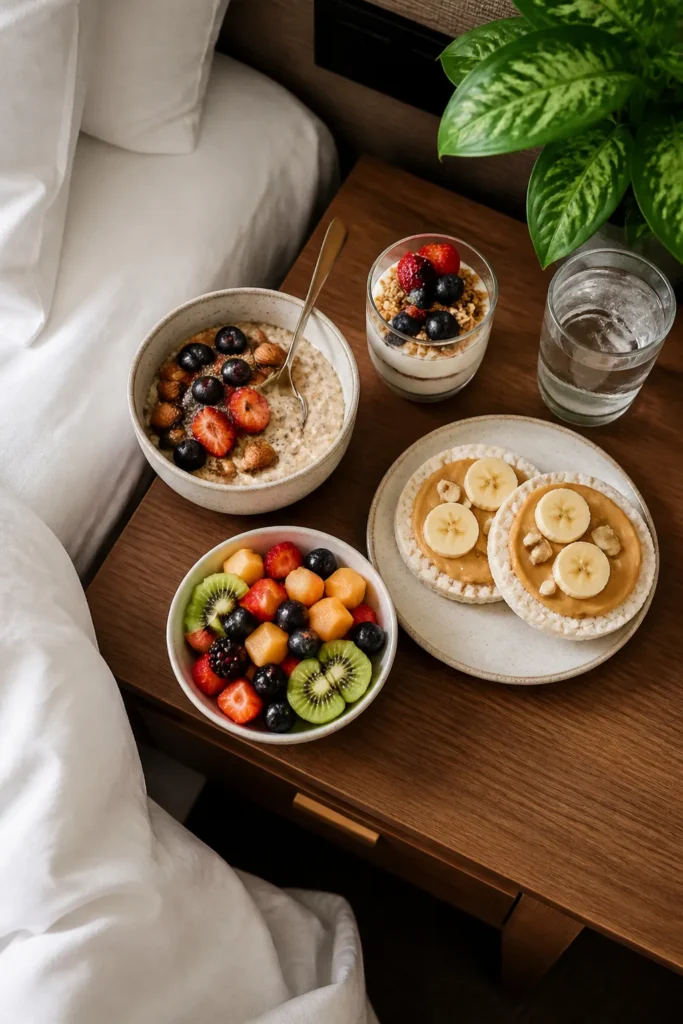
    Overhead hotel breakfast tray with several gluten free options.

    Storage, make-ahead, and reheating

    Use the hotel mini fridge for dairy, cut fruit, and leftovers. Most items keep 2 to 3 days when chilled properly. Keep dry goods like oats, nuts, and tortillas sealed in zip-top bags.

    Make-ahead options: overnight oats, chia pudding, and hard-boiled eggs (if you find pre-cooked) are ideal. Assemble overnight oats or chia the evening you arrive so breakfast is ready right when you wake up. Reheat microwave scrambles and rice bowls for 30 to 60 seconds until hot.

    Common mistakes to avoid

    • Trusting the buffet oats: Many hotels use shared scoops or non-GF oats. Bring certified gluten free oats to be safe.
    • Skipping protein: Carbs alone won’t hold you. Add nut butter, yogurt, canned beans, or eggs for staying power.
    • Forgetting salt and seasoning: A tiny travel salt, pepper, and cinnamon make simple food taste great.
    • Microwaving eggs too long: Cook in short bursts and stir often to prevent rubbery eggs.
    • Not checking appliance wattage: Some hotel microwaves are weak. Add 15 to 30 seconds as needed and watch closely.
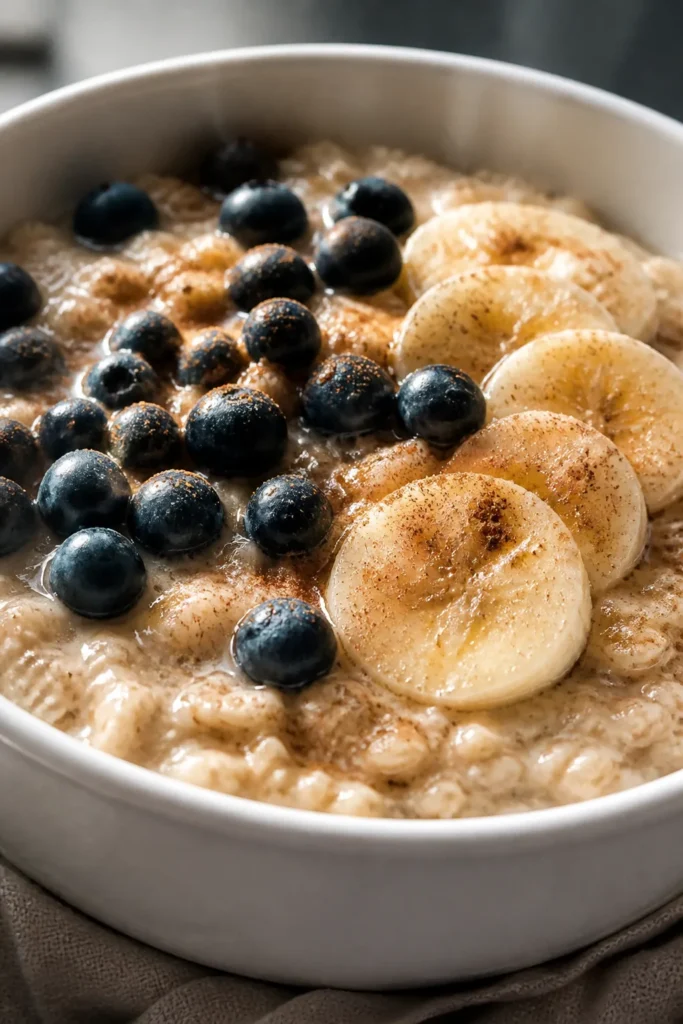
    Close-up of creamy gluten free oatmeal with fruit.

    Variations and substitutions

    • Dairy free: Use shelf-stable almond, oat, or soy milk and a coconut yogurt cup.
    • Nut free: Swap sunflower seed butter for nut butter and choose pumpkin or sunflower seeds.
    • Low sugar: Rely on fresh fruit and cinnamon. Skip or reduce maple syrup.
    • No microwave: Focus on overnight oats, chia pudding, yogurt parfaits, rice cakes with toppings, and fruit with jerky.
    • Higher protein: Add protein powder to oats and smoothies or include smoked salmon with rice cakes.

    What to serve with these breakfasts

    Round out your plate with easy sides you can find almost anywhere: a banana or apple, a handful of berries, a string cheese, or a small side salad from the hotel market. Coffee or hot tea from the lobby plus a big glass of water helps you hydrate after flying.

    If you pass a grocery store, grab pre-washed greens, rotisserie chicken (check labels), and extra fruit to keep in the mini fridge for quick mix-ins all week.

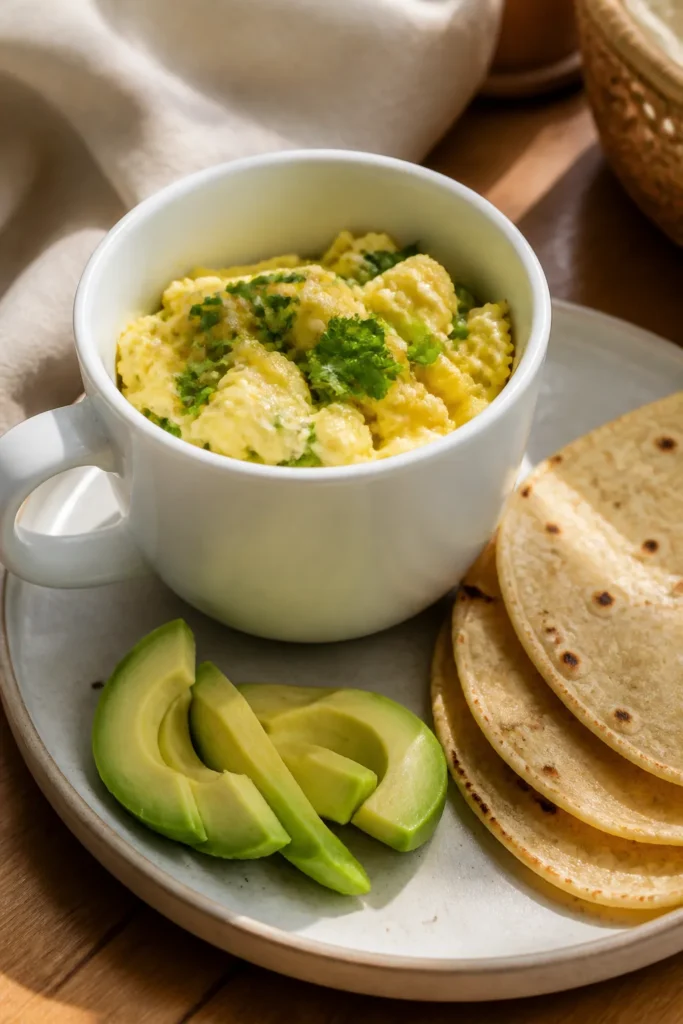
    Single mug of fluffy microwave egg scramble with tortillas and avocado.

    FAQ

    How can I avoid gluten cross-contact at a hotel breakfast buffet?

    Skip shared bins, toasters, and waffle makers. Bring your own certified gluten free oats, use sealed yogurt cups, choose whole fruit, and rely on your travel kit. If a staff member can open a fresh pack of hard-boiled eggs or yogurt for you, that’s even better.

    What can I make if my room only has a kettle and no microwave?

    Overnight oats, chia pudding, yogurt parfaits, rice cakes with nut or seed butter, and instant oatmeal with hot water from the kettle all work. You can also make a quick smoothie by shaking shelf-stable milk with protein powder in a bottle, then add banana.

    Are hotel oatmeal packets usually gluten free?

    Not reliably. Oats can be contaminated and many packets are processed on shared lines. Bring your own certified gluten free oats or instant GF packets so you control the ingredients.

    How do I pack food so it doesn’t take up much space?

    Portion dry ingredients into zip-top bags, use single-serve nut butter and maple packets, and pack a small collapsible bowl with a spork. Choose shelf-stable milk boxes and a compact seasoning kit with salt, pepper, and cinnamon.

    What protein options travel best without refrigeration?

    Nut or seed butter packets, shelf-stable milk, protein powder, vacuum-packed tuna or salmon, and jerky or meat sticks. Add perishable items like yogurt or eggs once you have a mini fridge.

    Happy travels and an easy breakfast routine

    Once you try a few of these, you’ll see how little it takes to eat well away from home. Pack a small kit, plan two or three go-to ideas, and you’ll have reliable, gluten free breakfasts no matter where you land.

  • 15 Gluten Free Breakfast Ideas That Take Under 10 Minutes

    15 Gluten Free Breakfast Ideas That Take Under 10 Minutes

    Mornings move fast, so breakfast has to be simple and satisfying. These 15 gluten free breakfast ideas are ready in under 10 minutes and lean on real ingredients you probably have at home.

    Below you’ll find a go-to 10-minute recipe plus plenty of mix-and-match ideas. Pick one for today, then save the rest for busy weekdays when you want something warm, filling, and naturally gluten free.

    Why these gluten free breakfasts work

    This list focuses on super quick techniques and ingredients that cook fast: eggs, yogurt, fruit, nut butters, and tortillas made from corn or cassava. Everything is easy to customize, so you can use what you have without stressing about a long ingredient list.

    My base recipe below sets you up with a hot, satisfying option in 10 minutes. It’s rich in protein and fiber, friendly to budget and pantry staples, and simple to scale for one or a crowd. Use certified gluten free products like corn tortillas and oats to keep things safe for those with celiac or gluten sensitivity. If you’re new here, you can peek at a quick note about the site and how I cook gluten free without fuss.

    Ingredients for 10-Minute Egg and Avocado Tacos

    These tacos make a warm, protein-packed base breakfast. Most swaps are simple, and you can double or triple for more people.

    • 4 large eggs
    • 1 tbsp olive oil
    • 1 cup baby spinach, roughly chopped
    • 1/2 cup cherry tomatoes, halved
    • 1/3 cup shredded cheddar cheese, or Monterey Jack
    • 1 ripe avocado, sliced
    • 4 certified gluten free corn tortillas, 6-inch
    • kosher salt, to taste
    • black pepper, to taste
    • 1/2 lime, cut into wedges
    • hot sauce, to taste

    How to make it fast

    Follow these quick steps and breakfast is on the table in 10 minutes.

    1. Heat a medium nonstick skillet over medium heat. Add olive oil and warm until it shimmers, about 30 seconds.
    2. Crack the eggs into a bowl, season with a pinch of salt and pepper, and whisk until well combined and slightly frothy, about 10 seconds.
    3. Pour the eggs into the skillet and cook, stirring gently with a spatula, until small curds form, 30 to 45 seconds.
    4. Add the chopped spinach and cherry tomatoes. Cook, stirring, until the spinach wilts and the eggs are just set but still glossy, 45 to 60 seconds.
    5. Sprinkle the shredded cheddar over the eggs. Turn off the heat and let the residual heat melt the cheese, 20 to 30 seconds.
    6. Warm the corn tortillas in a dry skillet over medium heat for 15 to 20 seconds per side until pliable, or warm them stacked and wrapped in a damp paper towel in the microwave for 20 to 30 seconds.
    7. Divide the cheesy eggs among the tortillas. Top with avocado slices and a squeeze of lime.
    8. Season with more salt and pepper if needed, and add hot sauce to taste. Serve immediately while warm.
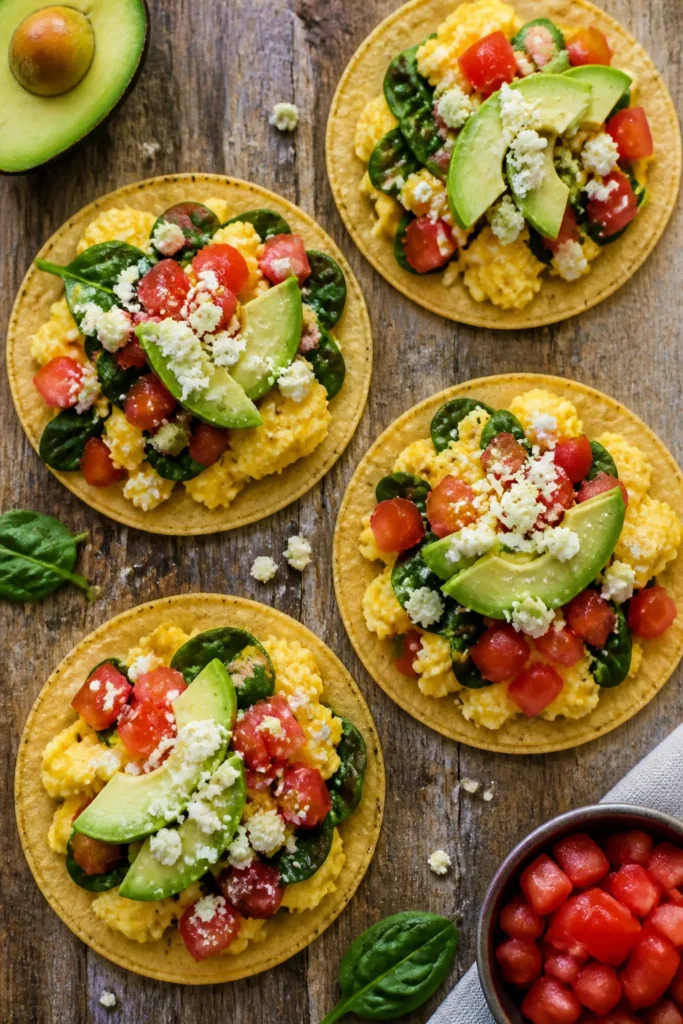
    Overhead view of four egg and avocado tacos on corn tortillas.

    Storage, make-ahead, and reheating

    For the egg tacos, scramble the eggs fresh for best texture. You can prep the add-ins: slice tomatoes, wash spinach, and crumble cheese up to 3 days ahead and refrigerate in airtight containers. Cut avocado just before eating, or toss slices with a little lime juice and wrap tightly to slow browning for a few hours.

    Leftover scrambled eggs keep 2 days in the fridge. Reheat in a skillet over low heat with a splash of water for about 1 minute, just until warm. Warm tortillas briefly in a dry skillet or directly over a low gas flame for 10 to 15 seconds per side.

    Common mistakes to avoid

    • Skipping certified GF labels: Choose certified gluten free corn tortillas, oats, and sauces to avoid hidden gluten.
    • Overcooking the eggs: Scramble on medium-low heat and pull from the pan when still slightly glossy. They keep cooking off-heat.
    • Using cold tortillas: Warm tortillas so they’re pliable and won’t crack when folded.
    • Under-seasoning: A pinch of salt and a squeeze of lime wake up eggs, avocado, and veggies.
    • Overloading tacos: Keep fillings modest so the tortillas hold together and you can eat without spills.
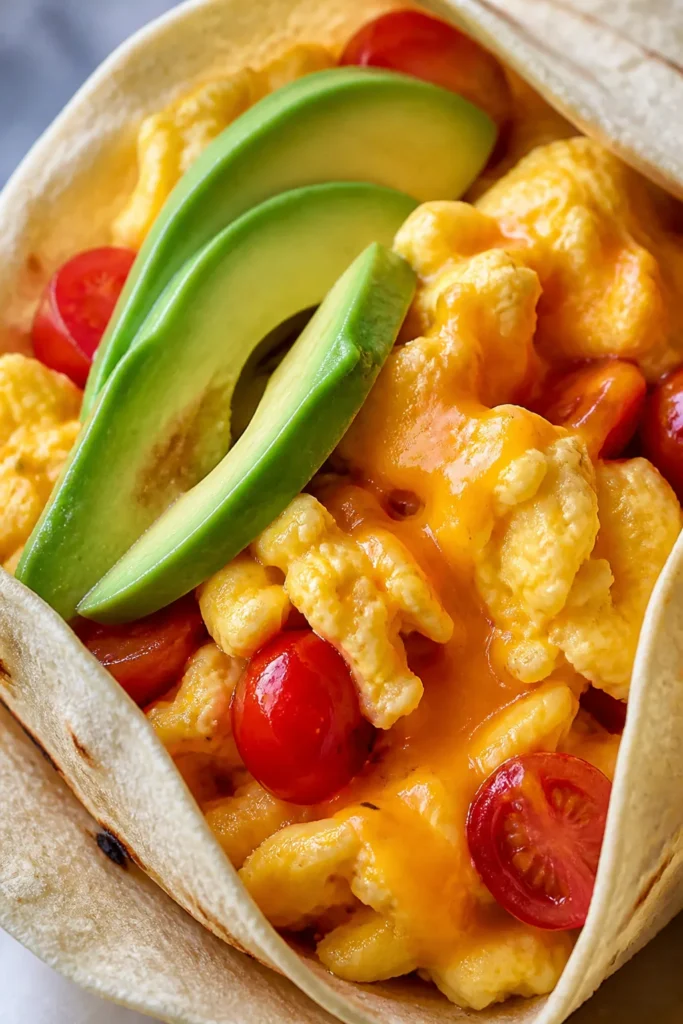
    Close-up of cheesy scrambled eggs and avocado in a tortilla.

    15 fast gluten free breakfast ideas

    • Egg and Avocado Tacos: The recipe below. Add hot sauce if you like.
    • Greek Yogurt Parfait: Layer 1 cup plain Greek yogurt with berries, a drizzle of honey, and a sprinkle of chopped nuts.
    • Peanut Butter Banana Rice Cakes: Top 2 plain rice cakes with 2 tbsp peanut butter, banana slices, and cinnamon.
    • Cottage Cheese Bowl: 1 cup cottage cheese with tomatoes, cucumber, olive oil, salt, pepper, and a pinch of oregano.
    • Microwave Scramble: Beat 2 eggs with a splash of milk in a mug. Microwave 60 to 90 seconds, stirring halfway. Top with cheese.
    • Avocado Toast on GF Bread: Mash avocado on toasted gluten free bread, add lemon, chili flakes, and a fried egg.
    • Berry Almond Smoothie: Blend 1 cup frozen berries, 1 cup almond milk, 1 tbsp almond butter, and a dash of vanilla.
    • Smoked Salmon Roll-Ups: Roll salmon around cream cheese and cucumber sticks. Serve with lemon and capers.
    • Overnight Chia Pudding: Stir 3 tbsp chia seeds with 1 cup milk, sweeten to taste, chill overnight. Top with fruit in the morning.
    • Quick Oats (Certified GF): Cook instant gluten free oats, swirl in maple syrup, peanut butter, and add sliced apple.
    • Huevos in a Hurry: Warm canned black beans with cumin, top with a jammy egg, salsa, and cilantro.
    • Apple Cheddar Snack Plate: Sliced apple, sharp cheddar, and a handful of roasted almonds.
    • Breakfast Quesadilla: Melt cheese in a gluten free tortilla, add scrambled egg and spinach, fold and crisp.
    • Protein Shake: Blend milk, protein powder you trust, a small banana, and ice. Check label for GF.
    • Leftover Veggie Hash: Sauté leftover roasted veggies in a skillet, crack in an egg, and cook until set.

    What to serve with these quick breakfasts

    Round out the meal with fresh fruit, a handful of nuts, or a small side salad for savory options. For drinks, coffee, tea, or a simple citrus spritzer works well. If you need something portable, pack grapes or clementines and a cheese stick, and you’re out the door.

    Single gluten free breakfast taco with lime and a side of beans.

    Gluten free breakfast FAQs

    Are corn tortillas gluten free?

    Most corn tortillas are naturally gluten free, but some brands are made in facilities that also handle wheat. Choose packages labeled certified gluten free to be safe.

    What quick breakfasts have the most protein?

    Eggs, Greek yogurt, cottage cheese, and gluten free protein shakes are fast options. A two-egg scramble has about 12 grams of protein, and 1 cup of Greek yogurt can have 15 to 20 grams.

    How can I prevent gluten cross-contact at breakfast?

    Use a dedicated gluten free toaster or toast bags, separate cutting boards and knives, and store GF bread and tortillas away from wheat products. Wipe counters before prepping.

    Can I make gluten free oatmeal quickly?

    Yes. Use certified gluten free instant oats and the microwave for a 2-minute bowl. Stir in nut butter for staying power and top with fruit.

    What if I don’t eat dairy?

    Swap in almond, soy, or oat milk, use dairy free yogurt, and replace cheese with avocado or a sprinkle of nutritional yeast. Many of the ideas here are naturally dairy free or easy to adapt.

    A quick note before you cook

    Keep breakfast simple, trust your tastes, and use what you have. With a few staples and a hot pan, you can eat well in minutes. Happy cooking!